Mattress
Mattresses may seem like everyday objects we take for granted, but behind their soft layers lies a fascinating story of human ingenuity, cultural exchange, and technological innovation. From ancient Persians experimenting with goatskin waterbeds to modern engineers designing gel-infused foams for cooling comfort, mattresses have evolved alongside our changing lifestyles and needs. They reflect history, science, and even marketing strategies—shaping not only how we sleep but also how we live. In this post, we’ll uncover 25 intriguing facts about mattresses, spanning their origins, materials, types, and industry secrets, to show that these humble sleep surfaces are far more complex and captivating than they first appear.
1. The word mattress comes from Arabic maṭraḥ
The term “mattress” has its roots in the Arabic word maṭraḥ, which literally means “something thrown down” or “place to lie.” This etymology reflects the early practice of spreading cushions or padded materials on the ground for rest. During the Middle Ages, Arabic culture influenced Europe through trade and conquest, and the Crusaders brought back the custom of sleeping on padded floor coverings. Over time, the word was absorbed into Old French as materas and then into Middle English as matras, eventually evolving into the modern “mattress.” This linguistic journey highlights how cultural exchange shaped not only sleeping habits but also the vocabulary we use today.
2. Europeans adopted floor cushions during the Crusades
When European Crusaders traveled to the Middle East in the 11th and 12th centuries, they encountered new customs, including the use of padded floor cushions for sleeping. Unlike the straw pallets or wooden platforms common in Europe, these cushions offered greater comfort and insulation. Returning home, the Crusaders introduced this practice, which gradually transformed European sleeping arrangements. What began as a borrowed habit eventually evolved into raised beds with mattresses, showing how war and cultural contact can unexpectedly influence domestic life.
3. The oldest known mattress dates back 77,000 years
Archaeologists discovered a 77,000-year-old “mattress” in South Africa’s Sibudu Cave, made of layers of reeds and rushes topped with leaves from plants known to repel insects. This ancient bedding demonstrates remarkable ingenuity: early humans not only sought comfort but also actively used botanical knowledge to protect themselves from pests. The layered design suggests a deliberate effort to create cushioning and hygiene, proving that the desire for restful, safe sleep is as old as humanity itself.
4. Ancient Persians used goatskin waterbeds around 3600 BCE
The Persians were among the first to experiment with water-filled sleeping surfaces. Historical accounts suggest they used goatskin bladders filled with water as mattresses. These primitive waterbeds provided a cooling effect in hot climates and could be adjusted for firmness depending on how much water was added. While rudimentary compared to modern waterbeds, they reveal an early fascination with manipulating materials to enhance sleep comfort—a theme that continues in mattress innovation today.
5. A papyrus from the 3rd century BCE mentions mattress exports
Evidence from ancient papyri shows that mattresses were not only household items but also trade commodities. A document from the 3rd century BCE records mattresses being exported from Jaffa, a port city in modern-day Israel. This suggests that mattresses were valued enough to be part of international commerce, reflecting both their practical importance and their role as markers of domestic comfort. The fact that they were traded across regions highlights how bedding was already a globalized product thousands of years ago.
6. A mattress has two main parts: core and upholstery
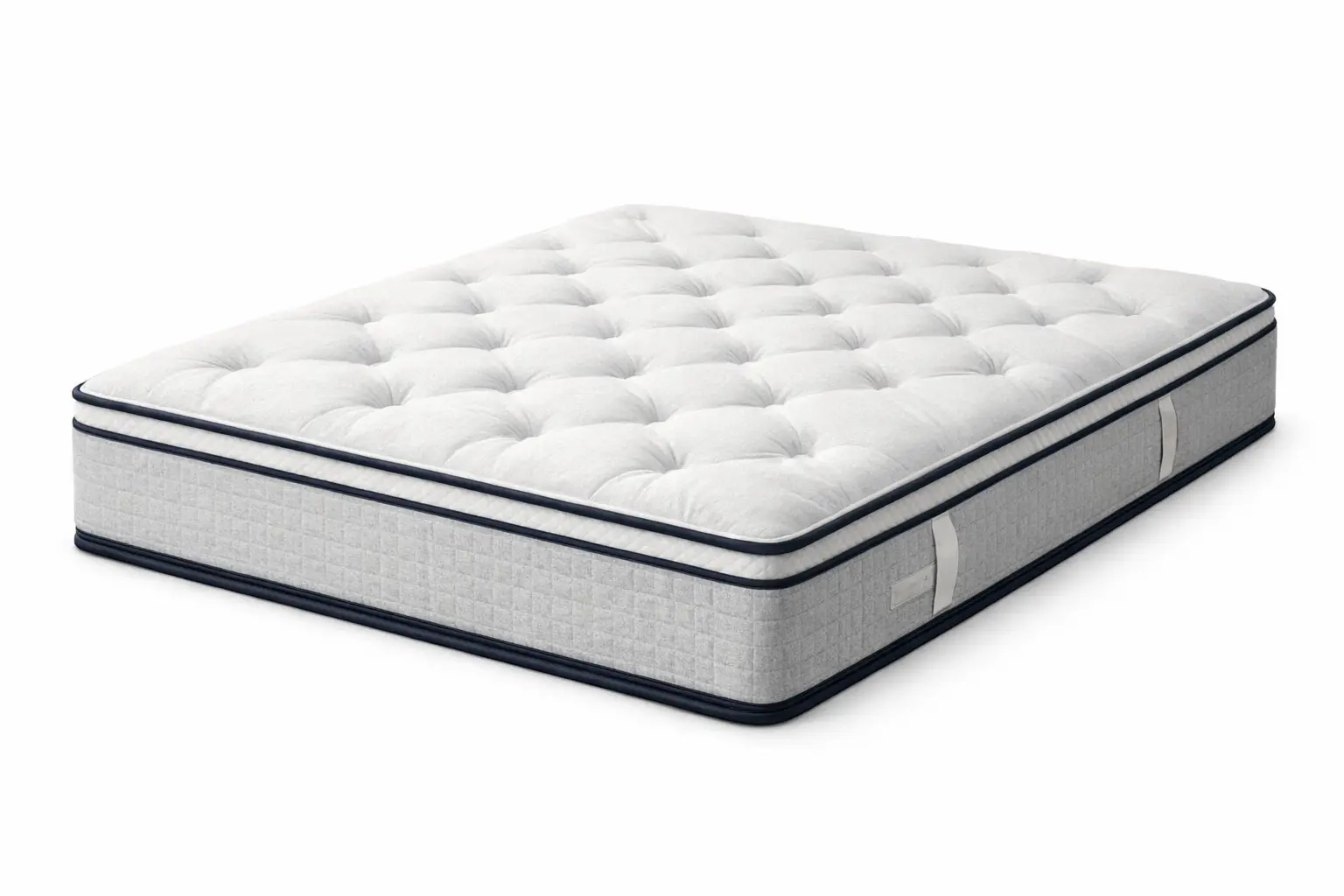
Modern mattresses are engineered with two essential components: the core, which provides structural support, and the upholstery, which delivers comfort. The core may consist of springs, foam, or latex, while the upholstery includes padding, quilting, and fabric covers. This division allows manufacturers to balance firmness and softness, catering to different sleeping preferences. Understanding this structure helps consumers evaluate mattresses beyond surface feel, recognizing the interplay between support and comfort layers.
7. Coil gauge determines firmness
In innerspring mattresses, coil gauge refers to the thickness of the wire used in the springs. A lower gauge number means a thicker, firmer coil, while a higher gauge indicates thinner, more flexible springs. This technical detail directly affects how a mattress feels: firmer coils provide more resistance, while thinner coils allow greater contouring. Coil gauge is thus a hidden but crucial factor in mattress design, influencing durability and comfort in ways most buyers never realize.
8. Four main coil types exist
Mattress engineering has produced four primary coil designs: Bonnell, Offset, LFK, and Marshall (pocket springs). Bonnell coils are hourglass-shaped and inexpensive, offering basic support. Offset coils are similar but hinged for better contouring. LFK coils are lighter and more flexible, while pocket springs are individually wrapped, reducing motion transfer between sleepers. Each type represents a different balance of cost, comfort, and durability, showing how even small design variations can dramatically change sleep quality.
9. Kapok is a common mattress material in Southeast Asia
Kapok, a silky fiber harvested from the seed pods of tropical trees, has long been used in Southeast Asia to stuff mattresses and pillows. Lightweight, buoyant, and naturally resistant to mold, kapok provides a soft yet supportive filling. Its use reflects regional reliance on renewable natural resources and traditional craftsmanship. Though less common in industrialized markets today, kapok remains prized for its eco-friendly qualities and cultural heritage.
10. Coir (coconut fiber) is widely used in South Asia
Coir, derived from coconut husks, is another traditional mattress material. In South Asia, coir mattresses are valued for their firmness, durability, and breathability. The fibrous texture allows airflow, making them ideal for hot climates. Coir mattresses also resist dust mites and mold, offering natural hygiene benefits. Their widespread use underscores how local materials shape bedding practices, with coconut fiber serving as both a practical and sustainable solution.
11. Gel-infused foams improve cooling
One of the biggest complaints about memory foam is heat retention. To address this, manufacturers developed gel-infused foams, which incorporate cooling gel beads or layers into the foam structure. These gels absorb and dissipate heat, helping sleepers stay comfortable throughout the night. This innovation reflects the industry’s responsiveness to consumer feedback and its ongoing quest to balance contouring comfort with temperature regulation.
12. Ticking is the protective fabric cover
The outermost layer of a mattress, known as ticking, serves both functional and aesthetic purposes. Traditionally made of durable woven fabrics, ticking protects the inner layers from wear, dust, and moisture. Modern ticking often uses polyester blends for strength and stretch, sometimes incorporating antimicrobial treatments. Beyond protection, ticking contributes to the mattress’s visual appeal, with patterns and textures designed to signal quality and style.
13. Memory foam molds to the sleeper
Developed by NASA in the 1960s for aircraft cushions, memory foam is viscoelastic, meaning it responds to both heat and pressure. When a person lies down, the foam softens and conforms to their body shape, distributing weight evenly and reducing pressure points. This property makes memory foam popular for people with joint pain or circulation issues. Its space-age origins and medical benefits highlight how advanced materials can transform everyday comfort.
14. Latex foam can be natural or synthetic
Latex foam mattresses can be made from natural rubber tree sap or synthetic compounds. The two main production methods are Talalay, which creates a lighter, more breathable foam, and Dunlop, which produces denser, firmer foam. Natural latex is prized for its resilience and eco-friendliness, while synthetic latex offers affordability. The choice between them reflects broader consumer values—whether prioritizing sustainability, cost, or performance.
15. High-density foam resists sagging
Foam mattresses vary in density, which affects durability and support. High-density foams are more resilient, resisting sagging and body impressions over time. This makes them ideal for long-term use, though they may feel firmer initially. Understanding foam density helps buyers distinguish between mattresses that will maintain comfort for years versus those that may quickly degrade.
16. Innerspring mattresses dominate North America
Despite innovations in foam and latex, innerspring mattresses remain the most popular choice in North America. Their affordability, widespread availability, and familiar feel make them appealing to consumers. Advances like pocket springs and hybrid designs have kept them competitive, blending traditional support with modern comfort features. Their dominance reflects both cultural preference and market economics.
17. Foam and latex mattresses dominate Europe
In contrast, European consumers favor foam and latex mattresses, often due to cultural differences in sleep habits and housing. Smaller living spaces and platform beds make foam mattresses more practical, while latex’s durability aligns with European emphasis on long-term investment. This regional divergence illustrates how geography and lifestyle shape mattress markets.
18. Waterbeds rose in popularity in the 20th century
Waterbeds, once a symbol of counterculture cool, surged in popularity during the 1970s and 1980s. They offered unique spinal support and customizable firmness, appealing to both medical professionals and trendsetters. Though their popularity has waned, waterbeds remain a fascinating chapter in mattress history, embodying the era’s spirit of experimentation and personalization.
19. Airbeds allow adjustable firmness
Airbeds use inflatable chambers to let sleepers adjust firmness levels. High-end models even allow each side of the bed to be customized, catering to couples with different preferences. This adaptability makes airbeds a modern solution for diverse sleeping needs, blending technology with comfort in a way that traditional mattresses cannot.
20. Divans combine mattress and foundation
Popular in Europe, divans are upholstered bases that pair directly with mattresses, often including built-in storage drawers. This integrated design saves space and adds functionality, reflecting European emphasis on efficiency and style. Divans demonstrate how mattress design can extend beyond comfort to address broader household needs.
21. Mattress sizes vary globally
Although terms like King, Queen, Double, Full, and Single are widely recognized, their actual dimensions differ significantly across countries. For example, a U.S. King mattress measures 76 inches wide by 80 inches long, while a U.K. King is only 60 inches wide by 78 inches long. In Japan, futon-style mattresses are often much smaller and designed to be folded and stored during the day. These variations reflect cultural differences in housing sizes, sleeping arrangements, and lifestyle preferences. In regions where space is limited, smaller mattresses are more practical, while in countries with larger homes, expansive beds are seen as a luxury. Understanding these differences is crucial for international travelers or those purchasing mattresses abroad, as the same label may not guarantee the same sleeping surface.
22. Mattress toppers extend mattress life and adjust comfort
A mattress topper is a removable layer, typically 2–4 inches thick, placed on top of a mattress to enhance comfort or extend its lifespan. Toppers can be made from memory foam, latex, feather, wool, or gel-infused materials, each offering unique benefits. Memory foam toppers add contouring support, latex provides resilience and cooling, feather toppers add plush softness, and wool regulates temperature naturally. Beyond comfort, toppers protect the mattress from wear, reducing sagging and impressions. They are also a cost-effective solution for people who want to improve their sleep experience without investing in a new mattress. In many ways, toppers act as customizable upgrades, allowing sleepers to fine-tune firmness, softness, and temperature regulation.
23. Double mattresses can have two firmness zones
Modern mattress design increasingly caters to couples with differing sleep preferences. Double mattresses can be manufactured with dual firmness zones, meaning one side is softer while the other is firmer. This innovation solves the age-old problem of compromise between partners who prefer different levels of support. Some designs achieve this by varying coil tension or foam density across the mattress, while others use air chambers or modular inserts. The concept reflects a broader trend toward personalization in sleep products, recognizing that comfort is highly individual. By accommodating both sleepers, these mattresses not only improve rest but also reduce relationship stress over bedtime comfort.
24. The average mattress lifespan is 7–10 years
Most mattresses are designed to last between seven and ten years, depending on materials and usage. Innerspring mattresses tend to wear out faster due to coil fatigue, while high-quality latex mattresses can last 20 years or more. Foam mattresses fall somewhere in between, with durability tied to density. Factors such as body weight, frequency of use, and care practices (like rotating the mattress or using a protector) also influence longevity. Over time, mattresses lose their ability to provide proper support, leading to sagging, discomfort, and potential health issues like back pain. This average lifespan serves as a guideline for consumers, reminding them that even the most comfortable mattress eventually needs replacement to maintain sleep quality.
25. The mattress industry promotes shorter replacement cycles
Despite the natural durability of many mattresses, the industry actively encourages consumers to replace them every 5–7 years. Organizations like the Better Sleep Council emphasize the importance of fresh mattresses for hygiene and health, but critics argue this is partly a marketing strategy to boost sales. While mattresses do accumulate dust mites, allergens, and wear over time, many high-quality products can last well beyond the recommended cycle. This tension between genuine health advice and commercial interest highlights the mattress industry’s role in shaping consumer behavior. It also raises questions about sustainability, as frequent replacements contribute to waste. Savvy buyers must balance marketing messages with their own comfort, hygiene needs, and environmental concerns.
🛏️ Common Mattress FAQs
1. What is a mattress made of?
A mattress is a highly engineered sleep system composed of two main parts: the core (support layer) and the upholstery (comfort layer). The core may use springs, foam, latex, or air chambers, while the upholstery includes padding, quilting, and the outer fabric cover (called ticking). Together with a foundation or bed frame, these components form a complete sleep set designed to balance firmness, softness, and durability.
2. How often should I rotate or flip my mattress?
Most modern mattresses are designed as “no-flip” models, meaning they only need rotation, not flipping. Rotation helps prevent uneven wear and sagging. Manufacturers often recommend rotating every few months, though some suggest weekly rotations during the first few months of use. Always check your mattress warranty or care guide for specific instructions.
3. How long does a mattress last?
The average lifespan of a mattress is 7–10 years, depending on materials and usage. Innerspring mattresses tend to wear out faster, while latex mattresses can last 15–20 years. Foam mattresses fall in between, with durability tied to density. Proper care, such as using a mattress protector and rotating regularly, can extend its life.
4. What size mattress should I buy?
Mattress sizes vary globally, but common options include Twin/Single, Full/Double, Queen, and King. The right size depends on your sleeping habits, bedroom space, and whether you share the bed. For couples, a Queen or King is usually recommended, while singles may prefer a Twin or Full. Always measure your room before purchasing, as sizes differ by country.
5. How do I choose the right firmness?
Firmness is subjective and depends on sleeping position, body weight, and personal preference.
- Side sleepers often benefit from medium-soft mattresses that cushion shoulders and hips.
- Back sleepers usually prefer medium-firm support to maintain spinal alignment.
- Stomach sleepers need firmer surfaces to prevent sinking. Trying mattresses in-store or choosing models with trial periods (like 100-night guarantees) can help you find the right fit.
6. Do I need a box spring or foundation?
Yes—most mattresses require a foundation or supportive base to ensure proper performance and longevity. A box spring, platform bed, or slatted frame prevents sagging and distributes weight evenly. Skipping a proper foundation can void warranties and shorten mattress life.
7. Are mattress toppers worth it?
Mattress toppers are removable layers (2–4 inches thick) that adjust comfort and extend mattress life. They can soften a firm bed, add cooling properties, or provide extra support. Popular materials include memory foam, latex, feather, and wool. Toppers are a cost-effective way to improve sleep without buying a new mattress.
8. How do I know when to replace my mattress?
Signs it’s time to replace include:
- Sagging or lumps
- Persistent back or neck pain
- Allergy flare-ups from dust mites or mold
- Poor sleep quality despite lifestyle changes If your mattress is over 10 years old and shows these issues, replacement is recommended.
9. What’s the difference between memory foam and latex?
- Memory foam: Viscoelastic, molds to body shape, reduces pressure points, but retains heat.
- Latex: Naturally resilient, cooler, eco-friendly, and longer-lasting, but often firmer and more expensive. Choosing between them depends on whether you prioritize contouring comfort or durability and cooling.
10. Is mattress marketing about replacement cycles real?
Yes—the mattress industry often promotes shorter replacement cycles (5–7 years) to boost sales, even though many mattresses last longer. While hygiene and comfort are valid concerns, savvy consumers should balance marketing claims with actual mattress condition and sustainability considerations.