Bubble Tea
Bubble tea isn’t just a drink—it’s a cultural phenomenon that has bubbled up from Taiwan in the 1980s to become a global icon of youth, creativity, and indulgence. Known for its chewy tapioca pearls, oversized straws, and endless customization options, bubble tea has captured hearts across Asia, the United States, and beyond, inspiring everything from emojis to Google doodles. In this post, we’ll dive into 25 fascinating facts about bubble tea, exploring its quirky origins, booming market worth billions, playful toppings, and even the health debates surrounding its sugary sweetness. Whether you’re a casual sipper or a devoted boba enthusiast, these insights will give you a deeper appreciation for the drink that’s more than just tea—it’s a worldwide lifestyle.
1. Bubble tea originated in Taiwan in the 1980s.
Bubble tea first appeared in Taiwan during the 1980s, a decade marked by rapid modernization and experimentation with food culture. Taiwanese tea shops began blending traditional teas with milk, sugar, and chewy tapioca pearls, creating a drink that was both refreshing and texturally unique. Its invention coincided with Taiwan’s growing café culture, making bubble tea a symbol of youthful innovation and culinary creativity.
2. Two tea shops—Chun Shui Tang (Taichung) and Hanlin Tea Room (Tainan)—both claim to have invented it.
The origins of bubble tea are contested, with Chun Shui Tang in Taichung and Hanlin Tea Room in Tainan both claiming credit. Chun Shui Tang’s story involves a staff member adding tapioca balls to iced tea in 1988, while Hanlin Tea Room’s version dates back to 1986, inspired by white tapioca balls seen in a local market. This rivalry has become part of bubble tea’s lore, reflecting how food inventions often emerge from multiple innovators simultaneously.
3. The name “bubble tea” originally referred to the frothy bubbles created by shaking tea, not the tapioca pearls.
When bubble tea was first introduced, the “bubble” in its name referred to the foam created by vigorously shaking tea with milk and sugar. The pearls were added later, but the name stuck, eventually becoming synonymous with the chewy tapioca balls. This linguistic evolution highlights how branding and consumer perception can reshape the meaning of a product over time.
4. Tapioca pearls are called “boba” in Chinese slang, which can also mean “big breasts.”
The term “boba” comes from Taiwanese slang, where it humorously refers to “big breasts” due to the round shape of tapioca pearls. Over time, the word became widely accepted as shorthand for bubble tea itself, especially in Western countries. This quirky etymology adds a playful cultural layer to the drink’s identity, showing how language and food intersect in unexpected ways.
5. Bubble tea can be served hot or cold, depending on preference.
Although bubble tea is most commonly enjoyed as a chilled beverage, it can also be served hot, especially during colder months. Hot versions typically use freshly brewed tea with warm milk and pearls, offering a comforting alternative to the icy, refreshing style. This versatility has helped bubble tea appeal to a wider audience, adapting to seasonal preferences and cultural contexts.
6. The oversized straw was designed specifically to allow pearls to be sucked up.
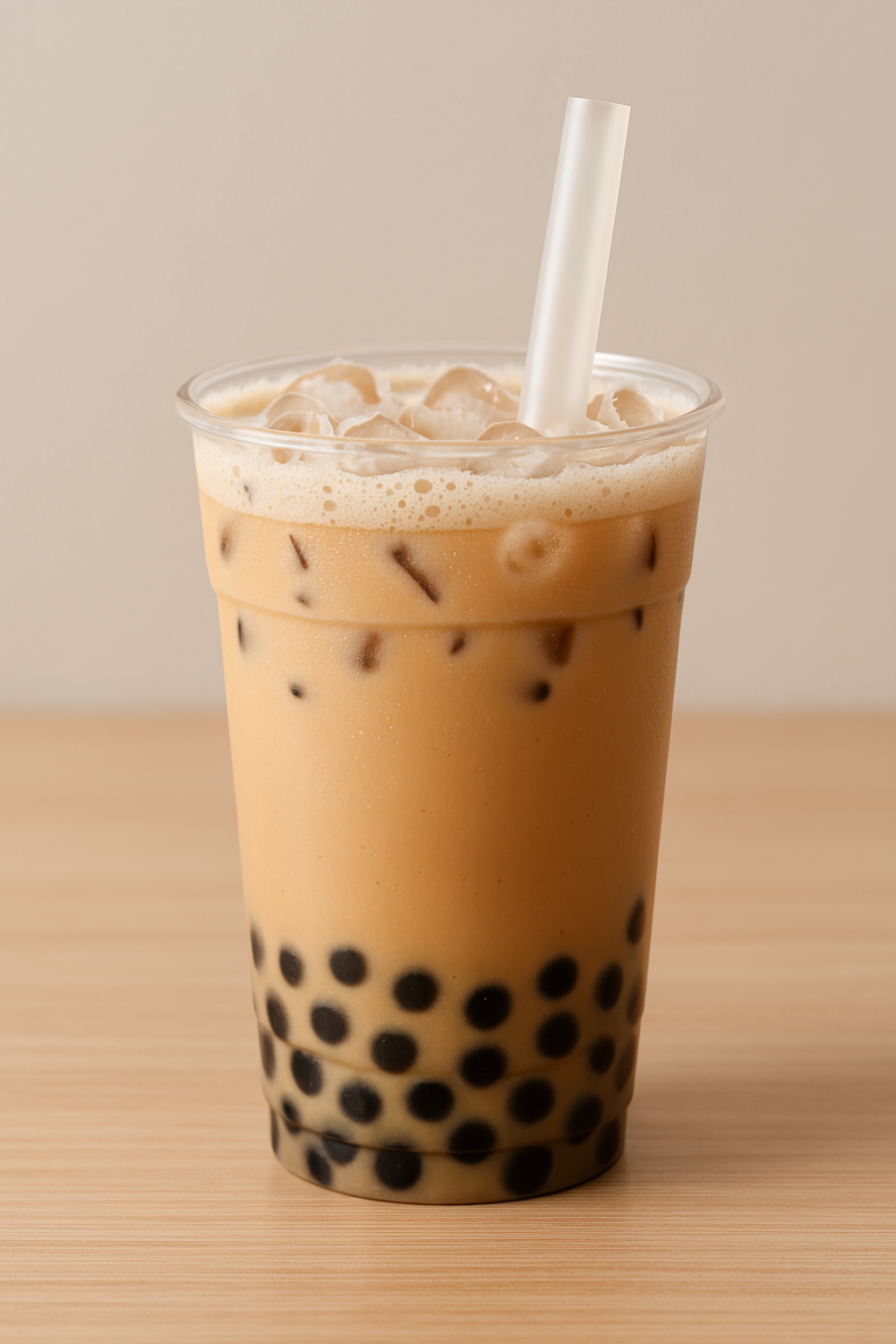
One of bubble tea’s defining features is its oversized straw, which is wide enough to accommodate tapioca pearls. This innovation transformed the drinking experience, allowing customers to enjoy both liquid and chewy pearls simultaneously. The straw became iconic, symbolizing bubble tea’s playful and interactive nature, and is now instantly recognizable worldwide.
7. Common tea bases include black, green, and oolong tea.
Bubble tea typically starts with a brewed tea base, most often black, green, or oolong tea. Each tea imparts a distinct flavor profile: black tea offers bold richness, green tea provides grassy freshness, and oolong delivers floral complexity. This variety allows bubble tea shops to cater to diverse tastes, making the drink endlessly customizable.
8. Non-dairy creamers are often used, but they can contain trans fats.
To achieve a creamy texture, many bubble tea shops use powdered non-dairy creamers instead of fresh milk. While convenient and shelf-stable, these creamers often contain hydrogenated oils, which are sources of trans fats linked to health risks. This has raised concerns among nutritionists, prompting some shops to switch to healthier alternatives like fresh milk or plant-based options.
9. Bubble tea shops let customers adjust sugar and ice levels (0–100%).
Customization is a hallmark of bubble tea culture, with shops offering precise control over sugar and ice levels. Customers can choose 0%, 25%, 50%, 75%, or 100% sugar, as well as varying amounts of ice, tailoring the drink to personal preference. This flexibility has become a major selling point, making bubble tea feel more personalized than many other beverages.
10. Popular toppings include grass jelly, aloe vera, red bean, and popping boba.
Beyond tapioca pearls, bubble tea offers a wide range of toppings that enhance flavor and texture. Grass jelly adds herbal notes, aloe vera provides refreshing crunch, red bean contributes sweetness, and popping boba bursts with fruit juice. These toppings reflect bubble tea’s playful spirit, turning each drink into a customizable dessert-like experience.
11. Cheese foam is a modern topping trend, adding a salty-sweet flavor.
Cheese foam, a relatively recent innovation, involves whipped cream cheese layered on top of tea. Its salty-sweet flavor contrasts with the tea’s bitterness, creating a sophisticated taste profile. This trend originated in East Asia and quickly spread globally, showing bubble tea’s ability to evolve and incorporate new culinary ideas.
12. Bubble tea spread rapidly across East Asia in the 1990s.
After its invention in Taiwan, bubble tea quickly gained popularity in neighboring countries such as Hong Kong, China, and Japan during the 1990s. Its novelty and customizable nature resonated with younger consumers, fueling its expansion. By the end of the decade, bubble tea had become a staple of Asian urban culture.
13. It became popular in the United States in the 2000s, especially in Chinatowns and college towns.
Bubble tea entered the U.S. market in the early 2000s, initially through Taiwanese immigrant communities. Chinatowns and college towns became hubs for bubble tea shops, attracting both Asian diaspora and curious locals. Its rise coincided with growing interest in Asian cuisine, helping bubble tea become a mainstream beverage.
14. Taiwan celebrates National Bubble Tea Day on April 30.
In recognition of its cultural significance, Taiwan established April 30 as National Bubble Tea Day. The celebration highlights bubble tea’s role as a national symbol and global export. On this day, shops often run promotions, and the drink is celebrated as part of Taiwan’s culinary heritage.
15. Bubble tea is considered a cultural symbol of Taiwan.
Bubble tea is more than just a drink in Taiwan—it is a cultural icon representing innovation and identity. It is frequently showcased in tourism campaigns and international events as a symbol of Taiwanese creativity. This status underscores how food can embody national pride and global influence.
16. Global chains like Chatime, CoCo Fresh Tea & Juice, and Gong Cha helped spread it worldwide.
Large franchises such as Chatime, CoCo Fresh Tea & Juice, and Gong Cha played a crucial role in globalizing bubble tea. Their standardized menus and branding made bubble tea accessible in cities across Asia, North America, and Europe. These chains transformed bubble tea from a niche product into a global phenomenon.
17. The global bubble tea market was valued at US$2.4 billion in 2022.
By 2022, bubble tea had grown into a massive industry worth US$2.4 billion. This figure reflects its widespread popularity and the proliferation of shops worldwide. The market’s size demonstrates how a once-local Taiwanese invention became a global economic powerhouse.
18. It is projected to reach US$4.3 billion by 2027.
Analysts predict that the bubble tea market will expand to US$4.3 billion by 2027. This growth is driven by increasing demand in Western countries and innovations in flavors and toppings. The projection underscores bubble tea’s enduring appeal and adaptability in diverse markets.
19. Bubble tea has inspired snacks like ice cream, candy, pizza, and ramen.
Bubble tea’s popularity has led to creative spin-offs, including bubble tea-flavored ice cream, candy, pizza, and even ramen. These novelty items reflect the drink’s cultural impact and versatility as a flavor profile. Such adaptations highlight how bubble tea has transcended beverages to influence broader food trends.
20. In 2020, a bubble tea emoji 🧋 was added to Unicode.
The addition of the bubble tea emoji 🧋 in 2020 marked its recognition as a global cultural icon. Emojis often reflect popular trends, and bubble tea’s inclusion signaled its mainstream status. This digital symbol allows fans worldwide to express their love for the drink in everyday communication.
21. In 2023, Google featured a bubble tea doodle on its homepage.
In 2023, Google honored bubble tea with a playful doodle on its homepage, celebrating its cultural significance. The doodle allowed users to interact with bubble tea virtually, further cementing its status as a beloved global beverage. Such recognition by a tech giant highlights bubble tea’s influence beyond food culture.
22. A typical 500 ml serving can have half its calories from tapioca pearls.
A standard 500 ml bubble tea serving often derives half its calories from tapioca pearls alone. These pearls are made from starch, making them calorie-dense despite their small size. This nutritional fact has raised awareness about bubble tea’s indulgent nature, encouraging moderation among health-conscious consumers.
23. High sugar levels in bubble tea raise concerns about diabetes and heart disease.
Bubble tea’s high sugar content has been linked to increased risks of diabetes and heart disease. Many shops use sweetened syrups and condensed milk, pushing sugar levels far above recommended daily intake. Health experts caution that frequent consumption may contribute to long-term health problems.
24. Despite health concerns, tea itself (black/green) provides antioxidants and health benefits.
While bubble tea is often criticized for its sugar and calorie content, the tea base itself—whether black or green—offers notable health benefits. Black tea is rich in polyphenols, which are antioxidants that may help reduce inflammation and improve heart health. Green tea, on the other hand, contains catechins such as EGCG (epigallocatechin gallate), which have been studied for their potential to boost metabolism and protect against certain chronic diseases. This means that while the add-ins may be indulgent, the tea foundation still provides a measure of nutritional value.
25. Bubble tea has become a global youth culture icon, often associated with socializing and trends.
Bubble tea is more than just a drink—it has become a lifestyle symbol, especially among younger generations worldwide. Its colorful presentation, customizable options, and playful textures make it highly “Instagrammable,” contributing to its popularity on social media platforms. In many cities, bubble tea shops serve as social hubs where friends gather, study, or simply hang out, reinforcing its role as a cultural marker of youth identity. The drink’s association with trends and digital culture has helped it maintain relevance across diverse markets, cementing its place as a global phenomenon.
🧋 Bubble Tea FAQs
1. What is bubble tea?
Bubble tea, also known as boba tea or pearl milk tea, is a Taiwanese drink invented in the 1980s. It combines brewed tea (black, green, or oolong) with milk or fruit flavors, sweeteners, and chewy tapioca pearls. Served with an oversized straw, it offers a unique experience where you sip both the liquid and the pearls, making it part beverage and part snack.
2. Is bubble tea the same as boba tea?
Yes—bubble tea and boba tea are essentially the same drink. “Bubble tea” originally referred to the frothy bubbles created by shaking tea, while “boba” refers to the tapioca pearls. Over time, both terms became interchangeable, though “boba” is more common in the U.S. and “bubble tea” is widely used internationally.
3. Where did bubble tea originate?
Bubble tea originated in Taiwan in the 1980s, with two shops—Chun Shui Tang in Taichung and Hanlin Tea Room in Tainan—claiming to be the inventors. The drink quickly spread across East Asia in the 1990s and later became popular worldwide. Today, Taiwan celebrates National Bubble Tea Day on April 30, recognizing it as a cultural symbol.
4. What are the main ingredients in bubble tea?
The core ingredients are tea (black, green, or oolong), milk or fruit flavoring, sugar, and tapioca pearls. Shops often offer additional toppings like grass jelly, aloe vera, red bean, or popping boba. Modern variations also include cheese foam, smoothies, and even coffee-based bubble teas.
5. How many calories are in bubble tea?
Calories vary widely depending on size, sugar level, and toppings. A typical 500 ml serving can have half its calories from tapioca pearls alone, with each pearl containing about 5–14 calories. Drinks with full sugar and creamers can exceed 300–500 calories, while lighter versions with reduced sugar and fewer toppings are lower.
6. Is bubble tea healthy?
Bubble tea is not considered a health drink due to its high sugar and calorie content. Non-dairy creamers often contain trans fats, and sweetened syrups add significant sugar, raising risks of diabetes and heart disease. However, the tea base itself—especially green tea—provides antioxidants, so moderation is key.
7. What does “boba” mean?
“Boba” is slang in Taiwanese Chinese that originally referred to “big breasts,” humorously describing the round shape of tapioca pearls. Over time, the term became shorthand for bubble tea itself, especially in Western countries. Today, “boba” is widely recognized as synonymous with tapioca pearls.
8. Why are the straws so big?
Bubble tea straws are oversized to allow tapioca pearls and other toppings to pass through easily. This design is essential to the drink’s interactive experience, letting you sip both liquid and chewy pearls at the same time. The straw has become an iconic symbol of bubble tea culture.
9. What are popping boba?
Popping boba are fruit-filled spheres made with a thin gel-like membrane that bursts when bitten. Unlike traditional tapioca pearls, they add a juicy, refreshing flavor to bubble tea. Popular flavors include mango, strawberry, and lychee, making them a favorite among younger drinkers.
10. How big is the bubble tea market?
The global bubble tea market was valued at US$2.4 billion in 2022 and is projected to reach US$4.3 billion by 2027. This growth is driven by increasing demand in Western countries, innovative flavors, and the rise of global chains like Chatime, CoCo Fresh Tea & Juice, and Gong Cha.