Caipirinha
Few cocktails capture the essence of a nation quite like the Caipirinha, Brazil’s beloved national drink. Known for its refreshing blend of lime, sugar, and cachaça, this iconic cocktail is more than just a beverage—it’s a cultural experience. From its humble beginnings in rural Brazil to its status as a global favorite, Caipirinha tells a story of tradition, creativity, and tropical indulgence. Whether you’ve sipped one on a sun-drenched beach or spotted it on a trendy bar menu, there’s always more to learn about this fascinating drink. In this post, we’ll uncover 25 intriguing facts about Caipirinha, exploring its origins, variations, cultural significance, and why it continues to captivate cocktail lovers worldwide. Get ready to discover the secrets behind Brazil’s most famous drink!
1. Brazil’s National Cocktail
Caipirinha is more than just a drink—it is a cultural emblem of Brazil. Officially recognized as the country’s national cocktail, it represents the vibrant, festive spirit of Brazilian life. From bustling city bars to sun-soaked beaches, Caipirinha is a staple at social gatherings, music festivals, and especially during Carnival, where millions of revelers toast with this refreshing beverage. Its status as a national symbol was even codified in law in 2003, underscoring its importance not just as a drink but as a piece of Brazilian heritage. When you sip a Caipirinha, you’re tasting a tradition that has been cherished for generations.
2. Main Ingredient: Cachaça
The soul of Caipirinha lies in cachaça, a unique Brazilian spirit distilled from fresh sugarcane juice. Unlike rum, which is typically made from molasses, cachaça retains a grassy, earthy character that gives Caipirinha its distinctive flavor profile. This spirit has deep roots in Brazilian history, dating back to the 16th century when sugarcane plantations dominated the economy. Today, cachaça is produced in thousands of distilleries across Brazil, ranging from artisanal small-batch operations to large-scale brands. Its versatility and bold flavor make it the perfect foundation for Caipirinha, setting it apart from other cocktails.
3. Simple Yet Iconic Recipe
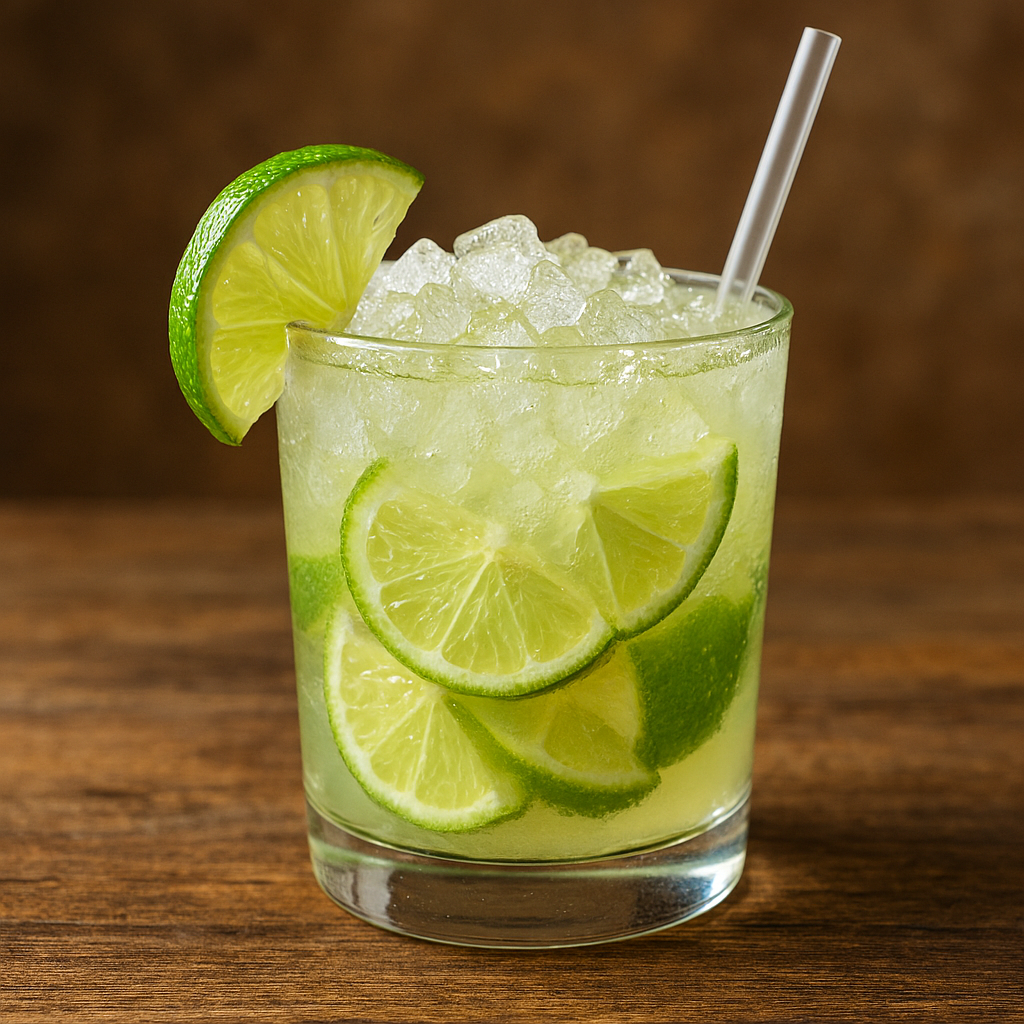
One of the reasons Caipirinha has achieved global fame is its simplicity. The classic recipe calls for just three ingredients: lime, sugar, and cachaça, muddled together and served over ice. This minimalist approach allows each component to shine—the tartness of lime, the sweetness of sugar, and the robust kick of cachaça. Despite its simplicity, the drink delivers a complex flavor experience, balancing sweet, sour, and strong in perfect harmony. It’s a testament to how a few quality ingredients, combined with the right technique, can create an unforgettable cocktail.
4. Origin in Rural Brazil
Caipirinha’s story begins in the rural heartlands of Brazil, where farmers and laborers crafted simple drinks using local ingredients. Sugarcane was abundant, and limes grew easily in the tropical climate, making them natural choices for a refreshing beverage. Initially considered a rustic drink, Caipirinha gradually made its way into urban bars and upscale restaurants, evolving from a humble countryside concoction into a global icon. Its journey reflects Brazil’s cultural transformation and the enduring appeal of traditions rooted in simplicity.
5. Historical Medicinal Use
Interestingly, Caipirinha was not always intended as a recreational drink. Early versions were reportedly used as a home remedy for colds and flu, often mixed with garlic and honey. The combination of lime (rich in vitamin C), sugar, and alcohol was believed to have therapeutic properties. Over time, the medicinal elements were dropped, and the drink became a staple of social life. This evolution from remedy to cocktail adds a fascinating layer to its history, showing how cultural practices adapt and endure.
6. Name Meaning
The name “Caipirinha” carries a charming linguistic story. Derived from the word “caipira,” which refers to rural Brazilians or country folk, and the diminutive suffix “-inha,” meaning little, the name translates roughly to “little country drink.” This etymology reflects the drink’s humble origins and its connection to Brazil’s rural traditions. Today, the name evokes nostalgia and authenticity, reminding drinkers of its roots even as it graces menus in cosmopolitan bars worldwide.
7. Official Recognition
In 2003, Brazil officially declared Caipirinha its national cocktail, a move that elevated the drink from cultural favorite to legal symbol of national identity. This recognition was part of a broader effort to protect and promote Brazilian culinary heritage. By enshrining Caipirinha in law, Brazil ensured that its most iconic drink would remain a source of pride and a key element of its global cultural image.
8. Served in a Short Glass
Traditionally, Caipirinha is served in a short, wide glass known as an old-fashioned glass. This choice of glassware is practical, as it allows for easy muddling of lime and sugar directly in the glass. The compact size also concentrates the flavors, ensuring that each sip delivers the perfect balance of sweet, sour, and strong. Presentation matters, and the classic glass has become part of the drink’s identity.
9. Muddling Technique
The art of making Caipirinha lies in the muddling. Bartenders gently crush lime wedges with sugar to release essential oils from the peel and juice from the pulp. This step is crucial, as it creates a layered citrus flavor that defines the drink. Over-muddling can make the drink bitter, while under-muddling leaves it flat. Mastering this technique is key to crafting an authentic Caipirinha.
10. Variations with Other Spirits
While cachaça is the traditional base, Caipirinha has inspired variations that cater to different tastes. Caipiroska, made with vodka, and Caipiríssima, made with rum, are popular alternatives. These versions maintain the lime-and-sugar foundation but offer a different flavor profile, making the drink accessible to those who prefer other spirits.
11. Fruit Variations
Modern bartenders have embraced creativity, adding fruits like strawberries, passion fruit, kiwi, and even exotic berries to the classic recipe. These colorful variations not only enhance the flavor but also create visually stunning cocktails that appeal to contemporary aesthetics. Despite these innovations, the essence of Caipirinha—freshness and simplicity—remains intact.
12. Popular During Carnival
Carnival, Brazil’s most famous festival, is synonymous with music, dance, and Caipirinha. During this vibrant celebration, millions of people enjoy the cocktail as part of the festivities. Its refreshing nature makes it ideal for hot weather and energetic environments, cementing its role as the drink of choice for Brazil’s biggest party.
13. International Popularity
From Rio to Tokyo, Caipirinha has conquered the world. Today, it is a staple on cocktail menus across continents, often featured alongside Mojito and Margarita as a tropical classic. Its global appeal lies in its simplicity, versatility, and exotic charm, making it a favorite among bartenders and drinkers alike.
14. Alcohol Content
Caipirinha is deceptively strong. With an alcohol content typically ranging between 25–30% ABV, it packs a punch despite its refreshing taste. This strength is balanced by the sweetness of sugar and the tartness of lime, creating a drink that feels light but delivers a robust kick.
15. Sugar Type Matters
Traditionally, granulated white sugar is used in Caipirinha, but some recipes call for superfine sugar to ensure better dissolution during muddling. The choice of sugar can subtly affect the texture and sweetness of the drink, proving that even small details matter in crafting the perfect cocktail.
16. Ice is Essential
Ice plays a critical role in Caipirinha, chilling the drink and slightly diluting the strong cachaça. The right amount of ice ensures a refreshing experience without watering down the flavors. In Brazil’s tropical climate, this cooling effect is indispensable.
17. Lime Quality
Fresh, juicy limes are non-negotiable for an authentic Caipirinha. The peel adds aromatic oils, while the pulp provides tangy juice, creating a layered citrus profile. Using stale or dry limes can ruin the drink, highlighting the importance of ingredient quality.
18. Global Competitions
Caipirinha has inspired cocktail competitions worldwide, where bartenders showcase creative variations using exotic fruits and flavored cachaça. These events celebrate the drink’s versatility and its status as a global icon of mixology.
19. Cultural Symbol
Beyond being a beverage, Caipirinha represents Brazilian leisure and social life. It evokes images of beaches, samba music, and carefree afternoons, embodying the essence of Brazilian culture. Drinking a Caipirinha is not just about taste—it’s about experiencing a lifestyle.
20. Featured in Literature and Media
Caipirinha frequently appears in travel writing, novels, and films set in Brazil, reinforcing its image as a quintessential Brazilian experience. Its presence in media has helped cement its status as a cultural ambassador, introducing global audiences to Brazilian traditions.
21. Pairing with Food
Caipirinha pairs beautifully with Brazilian dishes like feijoada (a hearty bean stew) and grilled meats. Its acidity cuts through rich flavors, while its sweetness complements savory notes, making it a versatile companion for traditional cuisine.
22. Health Perception
Though Caipirinha is now purely recreational, its lime content adds a dose of vitamin C, a nod to its medicinal origins. While it’s far from a health drink, this historical connection adds an interesting twist to its story.
23. Glassware Evolution
While traditionally served in short glasses, modern bars sometimes use taller glasses for fruit-infused versions, creating a more colorful and dramatic presentation. This evolution reflects the drink’s adaptability to contemporary trends.
24. Tourism Connection
Caipirinha is promoted as part of Brazil’s tourism campaigns, encouraging visitors to experience the drink as a cultural ritual. Enjoying a Caipirinha on a Brazilian beach is marketed as an essential part of the travel experience.
25. UNESCO Cultural Heritage Debate
There have been discussions about recognizing Caipirinha as part of Brazil’s intangible cultural heritage, highlighting its deep-rooted significance in Brazilian society. Such recognition would place it alongside other cultural treasures, affirming its role in shaping Brazil’s identity.
Frequently Asked Questions (FAQs) About Caipirinha
1. What is a Caipirinha?
Caipirinha is Brazil’s national cocktail, made with cachaça (a sugarcane-based spirit), fresh lime, sugar, and ice. It’s known for its refreshing, tangy-sweet flavor and simple preparation. The drink is deeply tied to Brazilian culture and is enjoyed at social gatherings, festivals, and beachside bars.
2. What does “Caipirinha” mean?
The name comes from the word “caipira,” meaning rural or country folk in Portuguese, combined with the diminutive suffix “-inha,” meaning little. So, Caipirinha translates roughly to “little country drink,” reflecting its humble origins in rural Brazil.
3. What is cachaça, and how is it different from rum?
Cachaça is a Brazilian spirit distilled from fresh sugarcane juice, while rum is typically made from molasses (a byproduct of sugar production). This difference gives cachaça a grassy, earthy flavor compared to rum’s sweeter, caramel-like notes.
4. How do you make a traditional Caipirinha?
The classic recipe uses:
- 1 lime, cut into wedges
- 2 teaspoons of sugar
- 2 ounces of cachaça
- Ice cubes Muddle the lime and sugar in a glass to release oils and juice, add cachaça, fill with ice, and stir well.
5. What glass is used for Caipirinha?
Traditionally, Caipirinha is served in a short, wide glass called an old-fashioned glass, which allows for easy muddling and a concentrated flavor profile.
6. Why is Caipirinha considered Brazil’s national drink?
In 2003, Brazil officially declared Caipirinha its national cocktail, recognizing its cultural significance and historical roots. It represents Brazilian hospitality, leisure, and tropical lifestyle.
7. What does Caipirinha taste like?
It has a balanced flavor—sweet from sugar, tart from lime, and strong from cachaça. The muddled lime peel adds aromatic bitterness, creating a complex yet refreshing drink.
8. Are there variations of Caipirinha?
Yes! Popular variations include:
- Caipiroska (made with vodka)
- Caipiríssima (made with rum)
- Fruit versions with strawberries, passion fruit, kiwi, or berries for added flavor and color.
9. Is Caipirinha strong?
Yes. Its alcohol content typically ranges between 25–30% ABV, depending on the amount of cachaça used. Despite its refreshing taste, it’s a potent cocktail.
10. Why are the limes muddled?
Muddling releases essential oils from the lime peel and juice from the pulp, creating a layered citrus flavor that defines Caipirinha. Proper muddling is key to its authentic taste.
11. Can I use brown sugar instead of white sugar?
Yes, some recipes use brown sugar for a richer, caramel-like sweetness. However, traditional Caipirinha uses granulated white sugar for a clean, bright flavor.
12. What food pairs well with Caipirinha?
It pairs perfectly with Brazilian dishes like feijoada (bean stew), grilled meats, and seafood. Its acidity cuts through rich flavors, making it a versatile companion for savory meals.
13. Is Caipirinha popular outside Brazil?
Absolutely. It’s a global favorite, featured on cocktail menus worldwide alongside Mojito and Margarita. Its exotic charm and simplicity make it a hit in bars from New York to Tokyo.
14. Can Caipirinha be made with other spirits?
Yes. Vodka and rum are common substitutes, but these versions are technically variations. The authentic Caipirinha always uses cachaça.
15. Is Caipirinha served during Carnival?
Yes! Caipirinha is a staple during Brazil’s Carnival, where millions of people enjoy it as part of the festive atmosphere. Its refreshing nature makes it ideal for hot weather celebrations.
16. What is the origin of Caipirinha?
It originated in rural Brazil, where locals used sugarcane and citrus to create simple, refreshing drinks. Early versions were even used as medicinal remedies for colds.
17. Was Caipirinha ever considered medicinal?
Yes. Early recipes included lime, sugar, cachaça, garlic, and honey as a home remedy for colds and flu. Over time, the drink evolved into a recreational cocktail.
18. What type of ice should be used?
Plenty of ice cubes are essential to chill the drink and slightly dilute the strong cachaça, balancing the flavors and making it more refreshing.
19. Is Caipirinha expensive to make?
No. It’s one of the most affordable cocktails because it uses simple, widely available ingredients—lime, sugar, cachaça, and ice.
20. Does Caipirinha have health benefits?
While it’s not a health drink, the lime provides vitamin C. Historically, this was one reason it was considered medicinal, but today it’s purely for enjoyment.
21. How is Caipirinha promoted in tourism?
Caipirinha is featured in Brazil’s tourism campaigns as a cultural experience. Enjoying one on a beach in Rio is marketed as an essential part of visiting Brazil.
22. Is Caipirinha recognized internationally?
Yes. It’s included in the International Bartenders Association (IBA) official cocktail list, cementing its status as a global classic.
23. Can Caipirinha be customized?
Absolutely. Bartenders often experiment with flavored cachaça, herbs like mint, and exotic fruits to create unique twists while preserving its essence.
24. Why is Caipirinha associated with leisure?
Its refreshing taste and tropical ingredients evoke relaxation, beaches, and social gatherings, making it synonymous with Brazil’s laid-back lifestyle.
25. Could Caipirinha become a UNESCO cultural heritage?
There have been discussions about recognizing Caipirinha as part of Brazil’s intangible cultural heritage, highlighting its deep cultural roots and global influence.