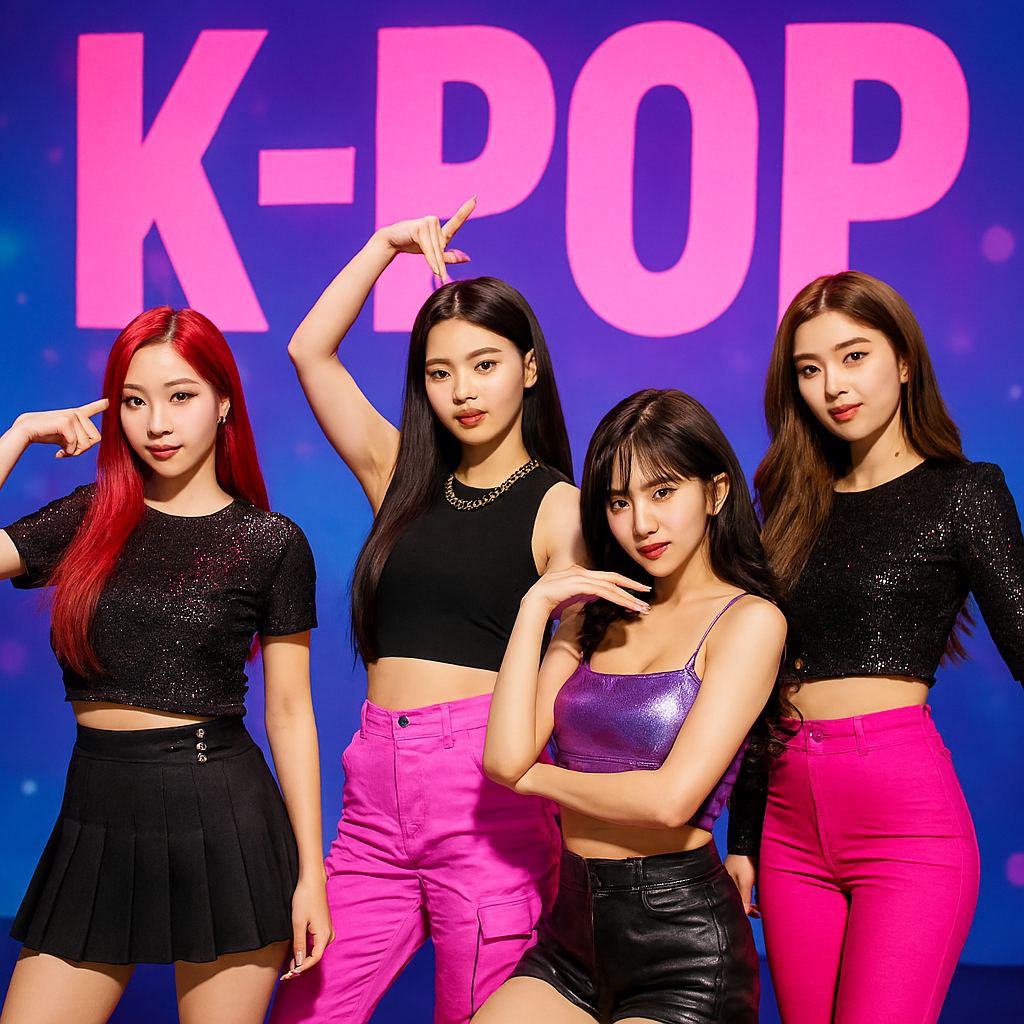
K-Pop
K-pop, short for Korean popular music, has grown from a local youth subculture in the 1990s into a global powerhouse that blends infectious melodies, dazzling visuals, and meticulously choreographed performances. More than just music, it’s a cultural movement that shapes fashion, beauty, and lifestyle trends while fueling passionate fandoms across continents. Behind the polished stages lie years of rigorous idol training, innovative genre fusion, and a carefully crafted industry that has turned groups like BTS and BLACKPINK into worldwide icons. In this article, we’ll uncover 25 fascinating facts that reveal how K-pop evolved, why it resonates so deeply with fans, and how it continues to redefine the boundaries of global entertainment.
Origins & Early Development
1. K-pop means “Korean popular music” (케이팝, RR: Keipap). The term “K-pop” is deceptively simple, but it represents a cultural juggernaut. While it literally translates to “Korean popular music,” the phrase has grown to encompass an entire ecosystem of entertainment—music, fashion, fandom, and lifestyle. It distinguishes South Korea’s music industry from Western pop, signaling a unique identity that blends global influences with distinctly Korean aesthetics. Over time, “K-pop” has become shorthand for South Korea’s cultural exports, symbolizing the country’s rise as a global trendsetter.
2. Emerged in the 1990s as a youth subculture. K-pop didn’t begin as a mainstream force—it was initially embraced by South Korean youth seeking fresh sounds beyond traditional ballads and trot music. In the 1990s, teenagers gravitated toward Western-inspired beats, creating a vibrant subculture that challenged older generations’ tastes. This youthful rebellion laid the groundwork for K-pop’s eventual mainstream dominance, proving that young audiences could drive cultural innovation.
3. Seo Taiji and Boys pioneered modern K-pop. Seo Taiji and Boys are often hailed as the trailblazers of modern K-pop. Their debut in 1992 shocked audiences by blending rap, rock, and techno—genres rarely heard in Korean mainstream music at the time. Their bold experimentation not only captivated youth but also disrupted the conservative music industry. Many scholars and fans credit them with sparking the “idol era” by showing that Korean artists could successfully fuse global sounds with local culture.
4. Their experimentation modernized South Korea’s music scene. Before Seo Taiji and Boys, Korean music was dominated by ballads and trot, which appealed mainly to older audiences. Their genre-bending approach introduced new rhythms, lyrical themes, and performance styles, modernizing the industry. This shift opened doors for future artists to experiment freely, setting the stage for the diverse and hybridized soundscape that defines K-pop today.
5. Early K-pop drew heavily from Western genres. Hip-hop, R&B, and dance music from the U.S. and Europe were major influences on early K-pop. South Korean producers and artists borrowed beats, choreography, and fashion trends, adapting them to local tastes. This global borrowing gave K-pop its hybrid identity, making it instantly relatable to international audiences while still retaining Korean cultural elements.
Industry & Idol System
6. Idol groups dominate K-pop. Unlike Western pop, which often emphasizes solo artists, K-pop thrives on idol groups. These boy bands and girl groups are carefully curated, with members chosen for complementary talents and personalities. The group dynamic creates a collective appeal, allowing fans to connect with different members while supporting the group as a whole.
7. Training systems can last years. Aspiring idols undergo rigorous training programs that can last anywhere from a few months to over a decade. Trainees are taught singing, dancing, acting, and even foreign languages to prepare them for global audiences. While this system ensures polished performances, it also raises concerns about the immense pressure and sacrifices required of young hopefuls.
8. Entertainment companies control idols’ image. Major companies like SM Entertainment, YG Entertainment, and JYP Entertainment manage every aspect of an idol’s career. This includes their music style, fashion choices, public behavior, and even personal relationships. While this tight control creates consistency and brand identity, it often limits idols’ personal freedom and sparks debates about exploitation.
9. Visual appeal is as important as talent. In K-pop, aesthetics are inseparable from music. Idols are expected to embody perfection in fashion, makeup, choreography, and stage presence. This emphasis on visuals makes performances highly engaging but also reinforces strict beauty standards that idols must maintain.
10. Trainee programs precede debut. Before debuting, idols spend years as trainees, honing their skills and competing for a chance to join a group. Many trainees never debut, despite years of effort, making the system highly competitive. Those who succeed, however, emerge as polished performers ready to captivate audiences worldwide.
Musical Style & Innovation
11. K-pop thrives on genre hybridity. A hallmark of K-pop is its ability to blend multiple genres within a single track. A song might feature EDM drops, rap verses, and melodic ballad sections, keeping listeners engaged and appealing to diverse tastes. This genre hybridity ensures that K-pop remains fresh and unpredictable.
12. Catchy hooks define K-pop songs. K-pop songs are designed to be addictive, with repetitive choruses and memorable melodies. These “earworms” are often paired with signature dance moves, known as “point choreography,” which fans can easily replicate. This combination makes songs viral and unforgettable.
13. Music videos are cinematic. K-pop music videos are renowned for their high production values. Elaborate sets, storytelling elements, and cutting-edge visuals make them feel like mini-films. These videos enhance the song’s impact and serve as powerful marketing tools, drawing in global audiences.
14. Fashion trends spread globally through K-pop. Idols often set fashion standards, influencing youth culture worldwide. From hairstyles to streetwear, K-pop aesthetics ripple across continents. Fans frequently emulate idols’ looks, making fashion an integral part of the genre’s cultural influence.
15. Traditional Korean elements are sometimes integrated. Some groups incorporate hanbok-inspired outfits, traditional instruments, or cultural motifs into their performances. This fusion of heritage and modernity strengthens cultural identity while appealing to global audiences, showcasing Korea’s ability to innovate while honoring tradition.
Global Spread
16. “K-pop” gained international popularity in the 2000s. The term “K-pop” became widely recognized as Korean acts began touring abroad and appearing on global charts. This period marked the beginning of K-pop’s transformation from a local phenomenon into a global industry.
17. The Korean Wave (Hallyu) boosted K-pop. Hallyu refers to the global spread of Korean culture, including dramas, films, and music. K-pop was a central driver of this wave, making South Korea a cultural powerhouse. The Korean Wave not only boosted tourism but also enhanced Korea’s global image.
18. YouTube and social media accelerated growth. Platforms like YouTube allowed fans worldwide to access K-pop instantly. Viral videos and fan-driven content fueled its global expansion, making it possible for groups to gain international fame without traditional distribution channels.
19. BTS and BLACKPINK became global icons. These groups broke records, topping charts like Billboard and collaborating with Western artists. They symbolize K-pop’s mainstream success, proving that Korean acts can compete on the global stage.
20. International concerts attract massive audiences. K-pop groups tour globally, filling stadiums in Europe, the Americas, and Asia. These concerts demonstrate the genre’s universal appeal and the dedication of its international fanbase.
Cultural & Economic Impact
21. K-pop is a major export industry. K-pop contributes billions to South Korea’s economy, rivaling traditional exports like electronics and automobiles. It has become a cornerstone of the nation’s cultural diplomacy and economic strategy.
22. It influences fashion, beauty, and lifestyle. K-pop idols often endorse cosmetics and fashion brands, shaping consumer trends worldwide. Their influence extends beyond music, making them cultural ambassadors for Korean products.
23. Fandoms are highly organized. K-pop fans coordinate streaming, voting, and charity projects. Their collective power amplifies idols’ success, demonstrating the strength of fan communities in shaping the industry.
24. Fan culture includes light sticks and chants. Each group has a unique light stick design, used at concerts to create dazzling displays. Fans also chant synchronized lines during performances, creating a sense of unity and participation.
25. K-pop serves as soft power. South Korea uses K-pop to enhance its global image, fostering cultural diplomacy and national pride. By exporting music and culture, the country strengthens its influence on the world stage.
Frequently Asked Questions about K-Pop
1. What exactly is K-pop?
K-pop, short for Korean popular music, is a genre originating from South Korea that blends pop, hip-hop, R&B, EDM, and even rock. It’s characterized by catchy melodies, synchronized choreography, and high production values. Beyond music, K-pop is a cultural phenomenon that includes fashion, fandom, and storytelling through elaborate music videos and performances.
2. When did K-pop start?
While Korean popular music dates back to the mid-20th century, modern K-pop as we know it began in the early 1990s. The group Seo Taiji and Boys revolutionized the industry by introducing Western-inspired sounds like rap and rock, breaking away from traditional ballads and trot music. This marked the birth of the idol system and the genre’s global trajectory.
3. How are K-pop groups formed?
K-pop groups are typically formed by entertainment companies through a rigorous trainee system. Aspiring idols audition and, if accepted, undergo years of training in singing, dancing, acting, and foreign languages. Companies then select members to debut in carefully curated groups, often with designated roles such as leader, main vocalist, rapper, or dancer.
4. Why is K-pop so popular worldwide?
K-pop’s global appeal lies in its polished performances, addictive hooks, and visually stunning music videos. Social media platforms like YouTube and TikTok have amplified its reach, allowing fans worldwide to access content instantly. The genre’s hybrid sound, multilingual lyrics, and strong fan engagement strategies make it relatable across cultures.
5. Are K-pop songs only in Korean?
No. While most lyrics are primarily in Korean, many songs include English phrases or entire sections to appeal to international audiences. This bilingual approach makes K-pop accessible to non-Korean speakers and helps songs gain traction on global charts.
6. Who are some of the biggest K-pop groups?
Globally recognized groups include BTS, BLACKPINK, EXO, TWICE, NCT, and Stray Kids. BTS and BLACKPINK, in particular, have broken records on Billboard charts, sold out stadium tours worldwide, and collaborated with Western artists, cementing their status as global icons.
7. What is the role of fans in K-pop?
K-pop fandoms are highly organized and play a crucial role in artists’ success. Fans coordinate streaming campaigns, vote in award shows, and even organize charity projects in their idols’ names. Concerts feature unique fan practices like synchronized chants and light sticks, creating a sense of unity and participation.
8. Is K-pop only for teenagers?
Not at all. While younger audiences were the first to embrace K-pop, its appeal now spans all age groups. Adults enjoy the artistry, production quality, and cultural impact, while children and teens are drawn to the vibrant visuals and relatable idols. K-pop’s diversity in themes and styles makes it accessible to a wide demographic.
9. What makes K-pop different from Western pop?
K-pop distinguishes itself through its idol system, intense training programs, and emphasis on performance. Unlike Western pop, which often focuses on solo artists, K-pop thrives on groups with multiple members, each with specific roles. The genre also integrates storytelling, elaborate choreography, and fan interaction as central elements.
10. What is the Korean Wave (Hallyu) and how does K-pop fit in?
The Korean Wave, or Hallyu, refers to the global spread of Korean culture, including dramas, films, and music. K-pop is one of its most powerful drivers, helping South Korea establish itself as a cultural powerhouse. Through K-pop, South Korea has boosted tourism, fashion exports, and its global image as a trendsetter.