Lettuce
Lettuce may seem like a simple salad ingredient, but its story is anything but ordinary. From its ancient roots in Egyptian tombs to its status as a multi-billion-dollar crop in modern agriculture, lettuce has a fascinating history filled with cultural, scientific, and economic significance. In this article, we’ll uncover 25 unique and well-verified facts about lettuce, featuring remarkable numbers, historical milestones, and surprising trivia that will change the way you look at this humble leafy green.
1. Ancient Origins
Lettuce (Lactuca sativa) has an impressive history dating back over 4,000 years, making it one of the oldest cultivated vegetables. Archaeological evidence from Egyptian tomb paintings around 2700 B.C. shows lettuce being grown and consumed, primarily for its oil-rich seeds rather than its leaves. This early domestication laid the foundation for lettuce’s global spread, as its cultivation techniques were passed down through generations and across continents.
2. Symbol of Fertility
In ancient Egypt, lettuce was not just food—it was a symbol of fertility and vitality. It was associated with Min, the god of fertility, and often featured in religious rituals and offerings. This cultural significance highlights how lettuce transcended its role as a crop, becoming an integral part of spiritual life thousands of years ago.
3. Roman Adoption
The Romans embraced lettuce after learning about it from Egypt, and they were instrumental in developing new varieties. Historical records mention that Caesar Augustus credited lettuce with curing him of illness, even erecting a statue in its honor. This anecdote underscores how lettuce was valued not only as a food but also as a medicinal plant in ancient Rome.
4. Introduction to the Americas
Lettuce made its way to the Americas thanks to Christopher Columbus, who introduced it during his voyages in the late 15th century. This marked a turning point in agricultural history, as lettuce became one of the first European crops grown in the New World. Its adaptability ensured that it quickly became a staple in colonial diets.
5. U.S. Consumption
Americans have a long-standing love affair with lettuce, consuming an average of 25.8 pounds per person annually in 2015. Of this, 51% (13.3 pounds) was head lettuce, primarily iceberg, which remains a favorite for salads and sandwiches. These figures reflect lettuce’s enduring popularity as a low-calorie, versatile vegetable in the American diet.
6. Leading Vegetable Crop
Lettuce is the highest-value vegetable crop in the United States, generating nearly $1.9 billion in 2015 and accounting for almost one-fifth of the $21.8 billion vegetable market in 2022. This economic impact demonstrates lettuce’s importance not only to consumers but also to farmers and the agricultural industry as a whole.
7. Global Production Ranking
Globally, the U.S. ranks as the second-largest lettuce producer, behind China. Within the U.S., California and Arizona produce over 98% of lettuce, with California alone responsible for 71% of head lettuce. This concentration of production highlights the critical role of these states in meeting national and international demand.
8. Acreage and Yield
In 2015, lettuce was grown on 119,000 acres in the U.S., yielding an impressive 36,200 pounds per acre. These numbers illustrate the efficiency and scale of lettuce farming, which relies on advanced irrigation and planting techniques to maximize output.
9. Export Value
California’s lettuce exports are significant, totaling $285 million in one year, with Canada importing 89% of these shipments. This strong export market underscores lettuce’s role as a key agricultural commodity in North America.
10. Nutritional Profile
Lettuce is a nutritional powerhouse despite its low calorie count. One cup of shredded lettuce contains only 11 calories, is fat-free, cholesterol-free, and provides essential minerals like potassium, calcium, and magnesium. Its high water content and fiber make it an excellent choice for hydration and digestion.
11. Water Content
Composed of up to 95% water, lettuce owes its crisp texture and refreshing taste to its high moisture level. This characteristic makes it a popular ingredient in salads and sandwiches, especially during hot weather when hydration is essential.
12. Ideal Growing Conditions
Lettuce thrives in cool climates, preferring 73°F daytime and 45°F nighttime temperatures. These conditions prevent bolting and ensure tender leaves, which is why lettuce production is concentrated in regions with mild weather.
13. Seasonal Production Shifts
From November to April, most U.S. lettuce comes from Imperial County, California, and Yuma, Arizona, while production shifts to Central California from April to November. This seasonal rotation ensures a steady supply of fresh lettuce year-round.
14. Price per Hundredweight
In 2016, the average U.S. price was $27.70 per hundredweight for head lettuce, $49.70 for leaf lettuce, and $31.20 for romaine. These price differences reflect variations in demand, production costs, and consumer preferences.
15. Gross Value per Acre
Head lettuce farming can generate approximately $10,400 per acre, making it a profitable crop for growers. This figure highlights the economic significance of lettuce in the agricultural sector.
16. Largest Lettuce Producer
Monterey County, California, is the top U.S. lettuce-producing county, contributing more than 60% of iceberg lettuce grown nationally. Its fertile soil and favorable climate make it ideal for large-scale lettuce farming.
17. Lettuce in Ancient Art
Egyptian tomb drawings from around 2500 B.C. depict lettuce cultivation, providing visual evidence of its role in early agriculture. These artifacts offer a fascinating glimpse into the origins of one of today’s most common vegetables.
18. Lettuce in Roman Medicine
Romans believed lettuce aided digestion and often served it at the beginning of meals for medicinal purposes. This practice reflects the ancient understanding of food as a tool for health and wellness.
19. Iceberg Lettuce Popularity
Iceberg lettuce became widely popular in the U.S. during the early 1900s, thanks to the development of the ice-shipping industry. This innovation allowed lettuce to be transported across the country without spoiling, revolutionizing the salad industry.
20. Lettuce Types
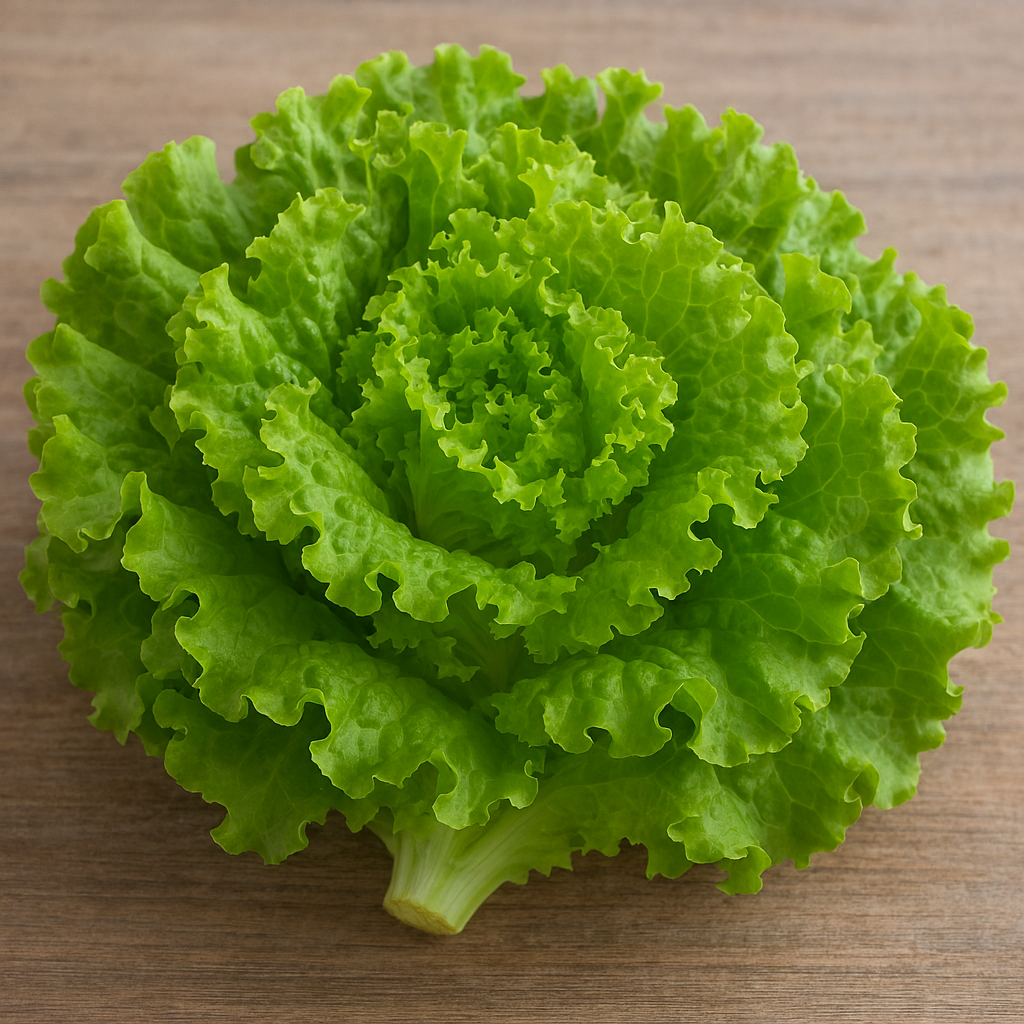
There are four main types of lettuce: head (iceberg), romaine, butterhead, and leaf, each with distinct textures and culinary uses. This diversity makes lettuce a versatile ingredient in global cuisine.
21. Lettuce and the Green Revolution
Hybrid lettuce varieties introduced during the 20th century Green Revolution improved yields and disease resistance. These advancements helped secure lettuce’s place as a staple crop worldwide.
22. Organic Growth Trend
Between 2007 and 2012, the number of farms producing lettuce on 5 acres or less increased by 38%, reflecting a rise in small-scale and organic farming. This trend aligns with growing consumer demand for locally sourced and sustainable produce.
23. Lettuce Bolting
Exposure to heat or long daylight hours causes lettuce to “bolt,” producing a central stem and flowers. This process makes the leaves bitter, posing a challenge for growers in warmer climates.
24. Lettuce in U.S. Diet
Lettuce salads rank second only to potatoes in annual per capita vegetable consumption in the United States. This statistic underscores lettuce’s central role in American eating habits.
25. Lettuce in Global Cuisine
Celtuce, a unique lettuce variety grown for its thick stem rather than leaves, is popular in Chinese cuisine. This example illustrates lettuce’s adaptability and cultural significance across different culinary traditions.
Frequently Asked Questions about Lettuce:
1. What are the main types of lettuce?
Lettuce comes in four primary types: head (iceberg), romaine (Cos), butterhead (Boston and Bibb), and leaf lettuce. Iceberg is known for its crisp texture and mild flavor, while romaine offers long, crunchy leaves and is a staple in Caesar salads. Butterhead varieties have soft, tender leaves, and leaf lettuce includes loose, colorful leaves often used in mixed salads. [webmd.com], [healthyeat…rition.com]
2. What is the nutritional value of lettuce?
Lettuce is extremely low in calories, with fewer than 10 calories per cup, and is composed of 94–95% water, making it highly hydrating. It provides essential nutrients such as vitamin A (up to 205 mcg per cup), vitamin K (up to 56 mcg), and folate (up to 40 mcg), along with small amounts of vitamin C and potassium. Darker varieties like romaine and leaf lettuce contain significantly more nutrients than iceberg lettuce. [health.com], [health.cle…clinic.org]
3. What are the health benefits of eating lettuce?
Lettuce supports bone health due to its vitamin K content, helps maintain eye health with vitamin A, and provides antioxidants that reduce oxidative stress. Its high water content aids hydration, and its low calorie density makes it ideal for weight management. Regular consumption may also help reduce inflammation and support heart health. [webmd.com], [seniorfitness.org]
4. Is lettuce good for weight loss?
Yes, lettuce is excellent for weight loss because it is low in calories and high in water and fiber, which promote satiety without adding extra calories. One cup of lettuce typically contains 5–10 calories, making it a perfect base for salads and wraps. Its low energy density allows for larger portions while maintaining a calorie deficit. [seniorfitness.org]
5. How should lettuce be stored to keep it fresh?
Store lettuce in the refrigerator at 32–36°F (0–2°C) in a perforated plastic bag or container to maintain airflow and prevent excess moisture. Avoid washing lettuce before storage, as moisture can accelerate spoilage; instead, wash it just before use. Proper storage can keep lettuce fresh for 7–10 days, depending on the variety. [lettuceinfo.org]
6. When is the best time to plant lettuce?
Lettuce thrives in cool weather, ideally when temperatures are between 60–70°F (15–21°C). The best planting times are early spring and late summer for a fall harvest. In warmer climates, partial shade or shade cloth can help protect lettuce from heat stress. [thegardenm…gazine.com], [extension….linois.edu]
7. How often should lettuce be watered?
Lettuce has shallow roots and requires consistent moisture, about 1–1.5 inches of water per week. Watering in the morning is recommended to allow leaves to dry during the day, reducing the risk of fungal diseases. Drip irrigation or soaker hoses are ideal for keeping soil moist without wetting the foliage. [thegardenm…gazine.com]
8. Why does lettuce sometimes taste bitter?
Lettuce becomes bitter when it bolts, a process triggered by high temperatures or long daylight hours. Bolting causes the plant to produce a central stem and flowers, making the leaves tough and bitter. To prevent this, grow lettuce in cool conditions and harvest before the onset of heat. [extension….linois.edu]
9. Is iceberg lettuce less nutritious than other types?
Yes, iceberg lettuce has the lowest nutrient density among common varieties. While it provides hydration and some fiber, it contains fewer vitamins and minerals compared to romaine, butterhead, and leaf lettuce. Darker varieties can have 6–20 times more vitamin A and K than iceberg. [health.cle…clinic.org]
10. Can lettuce help improve hydration?
Absolutely. Lettuce is composed of 94–95% water, making it one of the most hydrating vegetables. Including lettuce in your diet can complement fluid intake and help maintain hydration, especially in hot weather. [health.com], [webmd.com]
11. Does lettuce have antioxidants?
Yes, lettuce contains antioxidants such as carotenoids, phenolic acids, and flavonoids, which help neutralize free radicals and reduce oxidative stress. These compounds may lower the risk of chronic diseases like heart disease and certain cancers. Romaine and leaf lettuce generally have higher antioxidant levels than iceberg. [health.com]
12. Can lettuce promote better sleep?
Extracts from certain lettuce varieties have shown sedative properties in studies, suggesting they may help promote sleep. However, more research is needed to confirm if eating lettuce in its natural form has the same effect. For now, lettuce remains a healthy addition to evening meals without proven sleep benefits. [webmd.com]
13. Is lettuce safe to eat raw?
Yes, lettuce is safe to eat raw when properly washed to remove dirt and potential contaminants. Farmers in major lettuce-producing regions like California and Arizona follow strict food safety protocols to minimize risks. Always rinse lettuce under running water before consumption. [lettuceinfo.org]
14. What vitamins are most abundant in lettuce?
Lettuce is rich in vitamin A, which supports vision and immunity, and vitamin K, essential for bone health and blood clotting. It also contains folate, important for cell division and pregnancy, along with smaller amounts of vitamin C and potassium. Romaine and leaf lettuce are the most nutrient-dense varieties. [health.com], [veggieknowledge.com]
15. How long does lettuce take to grow?
Most lettuce varieties mature in 45–75 days, depending on the type. Loose-leaf varieties like Red Sails can be ready in 45–55 days, while romaine typically takes 70–75 days. Succession planting every two weeks ensures a continuous harvest throughout the season. [gardenanda…otment.com]