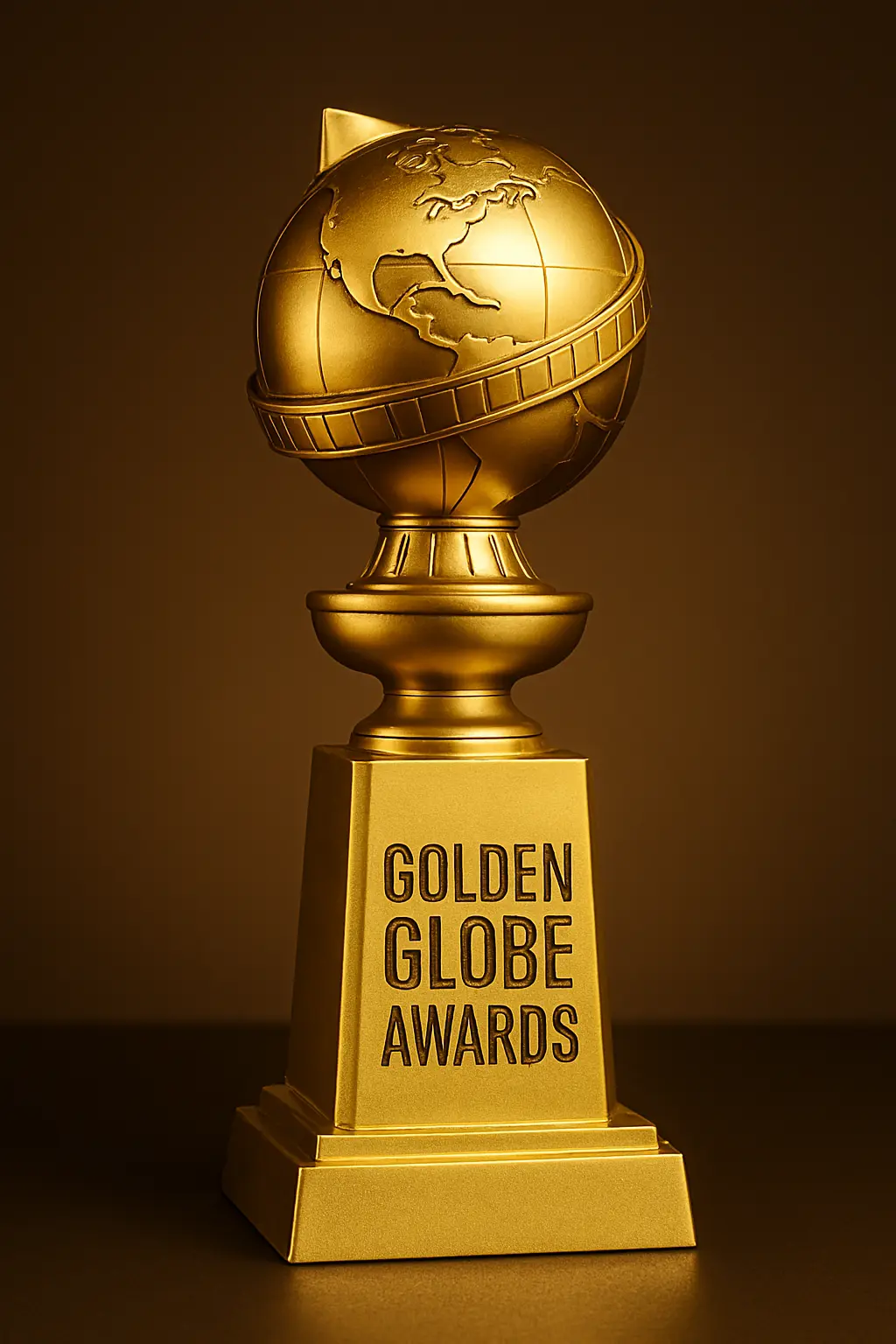
Golden Globes
Every January, Hollywood lights up with one of the most glamorous nights in entertainment: the Golden Globe Awards. Known for its unique blend of film and television honors, the Globes have long been a bellwether for the Oscars and a celebration of storytelling across the globe. From its humble beginnings in 1944 to its modern-day star-studded ceremonies at the Beverly Hilton, the Golden Globes have delivered unforgettable speeches, surprising wins, and plenty of cultural buzz.
In this post, we’ll dive into 25 fascinating facts that reveal the history, controversies, and quirky traditions behind the Golden Globes. Whether you’re a film buff, a TV enthusiast, or just love the glitz of awards season, these insights will give you a deeper appreciation for one of Hollywood’s most talked-about events.
1. First Ceremony (1944)
The Golden Globe Awards were first held on January 20, 1944, during the height of World War II. At that time, Hollywood was already a global cultural powerhouse, and the awards were created to honor excellence in filmmaking. The inaugural ceremony was a relatively modest affair compared to today’s glitzy productions, but it set the foundation for what would become one of the most prestigious award shows in the entertainment industry. The early Globes reflected the optimism of Hollywood and its desire to celebrate artistry even in turbulent times.
2. Original Presenter – HFCA
The awards were initially organized by the Hollywood Foreign Correspondents Association (HFCA), a group of journalists from abroad who were covering the American film industry. Their unique perspective gave the Globes an international flavor from the very beginning, distinguishing them from other awards that were more domestically focused. The HFCA’s involvement highlighted Hollywood’s global reach and the importance of foreign press in shaping the industry’s reputation worldwide.
3. HFPA Era (1955–2023)
In 1955, the HFCA reorganized itself into the Hollywood Foreign Press Association (HFPA), which would go on to manage the Golden Globes for nearly seven decades. Under the HFPA, the Globes grew in prominence, becoming a major event in the awards season calendar. However, the HFPA also faced criticism over the years for its small membership size, lack of diversity, and opaque decision-making processes, issues that eventually led to its dissolution in 2023.
4. New Management (2024–Present)
After years of controversy, the HFPA was dissolved in 2023, and the Golden Globes were taken over by Dick Clark Productions in partnership with Penske Media Corporation and Eldridge Industries. This marked a new era for the awards, with a focus on transparency, inclusivity, and modernization. The change in management was intended to restore credibility and ensure the Globes remained relevant in a rapidly evolving entertainment landscape.
5. Awarded For Excellence in Film & TV
Unlike the Oscars, which focus solely on film, the Golden Globes honor both film and television. This dual recognition makes them unique and highly influential, as they celebrate achievements across two major entertainment mediums. Winning a Globe can significantly boost a project’s visibility and often serves as a predictor for success at other award shows, including the Academy Awards and the Emmys.
6. Country of Origin – United States
Although the Globes are organized by foreign journalists, the ceremony itself is firmly rooted in the United States. Held annually in Beverly Hills, California, the awards reflect Hollywood’s central role in global entertainment. The U.S. setting underscores the Globes’ connection to the American film and television industry, while still maintaining an international outlook through its foreign press origins.
7. Venue – Beverly Hilton Hotel
Since 1961, the Golden Globes have been hosted at the Beverly Hilton Hotel in Beverly Hills. The venue has become synonymous with the awards, offering a glamorous yet intimate setting where stars dine and mingle during the ceremony. Unlike the Oscars’ theater-style seating, the Globes’ banquet-style arrangement creates a more relaxed atmosphere, often leading to memorable, candid moments.
8. Annual Timing – January
The Globes are traditionally held in January, making them one of the first major award shows of the year. Their timing is crucial, as they often set the tone for the rest of awards season. A win at the Globes can generate momentum for films and actors heading into the Oscars, while losses can dampen a campaign’s prospects. This positioning makes the Globes a strategic milestone for studios and performers alike.
9. Television Coverage – Multiple Networks
Over the decades, the Globes have been broadcast on various networks, including KTTV, NBC, CBS, and TBS. This shifting coverage reflects the evolving media landscape and the awards’ growing popularity. Each network brought its own style of presentation, helping the Globes reach wider audiences and cement their place as a major televised event.
10. NBC Legacy (1965–2021)
NBC played a particularly significant role in the Globes’ history, broadcasting the ceremony for decades. From 1965 to 1968, and then again from 1978 until 2021, NBC helped transform the Globes into a household name. The network’s long association with the awards gave them stability and visibility, though the partnership eventually ended amid controversies surrounding the HFPA.
11. CBS Return (2024–Present)
In 2024, CBS took over broadcasting duties, marking a new chapter for the Globes. The ceremony is now also streamed on Paramount+, reflecting the shift toward digital platforms. This dual distribution strategy ensures the Globes remain accessible to both traditional TV audiences and younger, streaming-savvy viewers, helping the awards stay relevant in the modern media environment.
12. Trophy Design (1955–2023)
For decades, the Golden Globe trophy featured a globe mounted on a pedestal, symbolizing the awards’ international scope. This design became iconic, instantly recognizable as a mark of prestige. In 2024, however, the trophy was redesigned to reflect the awards’ new era, signaling both continuity and change in their visual identity.
13. Logo Update (2024)
Alongside the trophy redesign, the Golden Globes updated their logo in 2024. The new branding was part of a broader effort to modernize the awards and distance them from past controversies. The refreshed logo emphasizes sleekness and professionalism, aligning with the Globes’ renewed commitment to credibility and inclusivity.
14. Major Categories – Film
The Globes’ film categories include Best Motion Picture (Drama and Musical/Comedy), Best Actor and Actress, Best Director, Best Screenplay, and Best Original Score. These categories highlight the breadth of filmmaking talent, from performers to behind-the-scenes creators. The split between Drama and Musical/Comedy is particularly notable, as it allows for a wider range of films to be recognized.
15. Television Categories
In addition to film, the Globes honor television excellence with categories such as Best Drama Series, Best Comedy Series, Best Miniseries or TV Movie, and acting awards. This dual focus makes the Globes especially influential in the TV industry, often spotlighting shows that later dominate the Emmys. The inclusion of television reflects the awards’ adaptability to changing entertainment trends.
16. Global Reach
The Globes have always had an international dimension, thanks to their foreign press origins. They recognize both domestic and foreign productions, giving international films and shows a platform in Hollywood. This global outlook distinguishes the Globes from other American awards and underscores the interconnected nature of modern entertainment.
17. Dinner Ceremony
Unlike most award shows, the Globes are presented during a formal dinner. Stars sit at round tables, enjoying food and drinks throughout the evening. This setup creates a more relaxed, convivial atmosphere, often leading to unscripted moments and candid interactions. The dinner format has become one of the Globes’ defining features, setting them apart from more rigid ceremonies.
18. Awards Season Role
The Globes are a key part of Hollywood’s awards season, which culminates in the Oscars. Their timing and prestige make them a crucial stepping stone for films and actors seeking recognition. A Globe win can significantly boost an Oscar campaign, while a loss can signal trouble. As such, the Globes are closely watched by industry insiders and fans alike.
19. Membership – HFPA
For much of their history, the Globes were decided by the votes of the HFPA’s small membership, which numbered around 93 journalists. This limited size raised questions about representation and influence, as such a small group wielded enormous power in Hollywood. The membership’s exclusivity was a major source of criticism, ultimately contributing to the HFPA’s downfall.
20. Criticism – Diversity & Transparency
The HFPA faced mounting criticism for its lack of diversity, questionable ethics, and opaque practices. Investigations revealed issues ranging from conflicts of interest to inadequate representation of minority voices. These controversies damaged the Globes’ reputation and led to boycotts by major studios and celebrities, forcing reforms and eventually the HFPA’s dissolution.
21. Reorganization (2023)
In 2023, the HFPA was officially dissolved, and its assets were transferred to a new foundation. This reorganization was intended to address longstanding issues and ensure the Globes’ survival. The move marked the end of an era and the beginning of a new chapter, with management shifting to professional organizations better equipped to handle the awards’ complexities.
22. Streaming Era
The Globes embraced streaming in recent years, first with Peacock in 2023 and then with Paramount+ in 2024. This shift reflects broader changes in media consumption, as audiences increasingly turn to digital platforms. Streaming ensures the Globes remain accessible to global viewers, expanding their reach beyond traditional television.
23. Hosts
The Globes have featured a wide range of hosts over the years, from comedians like Ricky Gervais to actors like Tina Fey and Amy Poehler. Hosting the Globes is a coveted role, offering a chance to entertain millions while setting the tone for the evening. Memorable hosts often leave a lasting impression, contributing to the ceremony’s cultural legacy.
24. Ratings Impact
The Golden Globes have historically attracted millions of viewers worldwide, making them one of the most-watched entertainment events of the year. Their appeal lies in the combination of film and television recognition, the relaxed dinner-party atmosphere, and the star-studded guest list. However, ratings have fluctuated significantly over time, especially in recent years. Factors such as controversies surrounding the HFPA, competition from streaming platforms, and changing audience habits have all contributed to declines in viewership. Despite this, the Globes remain a cultural touchstone, with moments from the ceremony often going viral online, ensuring that their influence extends far beyond traditional television ratings.
25. Cultural Influence
Winning a Golden Globe is widely regarded as a major achievement in the entertainment industry, often serving as a predictor of success at the Academy Awards. The Globes’ timing in January makes them a crucial part of awards season, and a win can generate momentum for films and actors heading into the Oscars. Beyond their predictive power, the Globes also shape cultural conversations, highlighting emerging talent, spotlighting international productions, and creating memorable pop culture moments. Acceptance speeches, red carpet fashion, and even unscripted incidents during the ceremony frequently become part of Hollywood lore. In this way, the Globes exert influence not only on the industry but also on global audiences, reinforcing their role as a celebration of creativity and storytelling.
📌 Frequently Asked Questions About the Golden Globes
1. What are the Golden Globes?
The Golden Globe Awards are one of the world’s premier entertainment honors, launched in 1944. They recognize excellence in both motion pictures and television, making them unique compared to the Oscars (film only) or the Emmys (TV only). The Globes are often referred to as “Hollywood’s Party of the Year” because of their glamorous dinner setting and star-studded red carpet.
2. Who votes for the Golden Globes?
Voting is conducted by an independent body of international entertainment journalists. To qualify as a voter, one must be an experienced journalist working for a recognized media outlet such as a newspaper, magazine, radio, broadcast, photo service, or digital platform. Personal blogs or social media profiles do not qualify.
3. How does one become a Golden Globe voter?
Applicants must demonstrate professional experience in entertainment journalism and affiliation with a legitimate international media organization. They may reside in the U.S. or overseas, but their work must reach international audiences. This ensures the Globes maintain a global perspective.
4. When are the Golden Globes held?
The Golden Globes are traditionally held in January. The 83rd Golden Globe Awards took place on Sunday, January 11, 2026, from 8:00–11:00 PM ET / 5:00–8:00 PM PT. This timing positions the Globes as the first major ceremony of Hollywood’s awards season.
5. Where can I watch the Golden Globes?
As of 2026, the Globes are broadcast live on CBS and streamed on Paramount+ in the United States. Internationally, the ceremony is broadcast in more than 185 countries and territories, making it one of the most widely viewed entertainment events worldwide.
6. What categories are awarded?
The Globes honor both film and television. Major categories include:
- Film: Best Motion Picture (Drama, Musical/Comedy), Best Actor/Actress, Best Director, Best Screenplay, Best Original Score.
- Television: Best Drama Series, Best Comedy Series, Best Miniseries/TV Movie, and acting awards. In 2026, a Best Podcast Award was introduced, reflecting the growing influence of digital media.
7. Why are the Golden Globes important?
The Globes are seen as a key predictor for the Oscars, often boosting the visibility of films and actors ahead of Academy Award voting. They also highlight television excellence, making them influential across two major entertainment industries. Beyond awards, the Globes shape cultural conversations through viral speeches, fashion, and memorable moments.
8. What controversies have surrounded the Golden Globes?
The Globes have faced criticism over the years, especially regarding the Hollywood Foreign Press Association (HFPA), which managed the awards until 2023. Issues included lack of diversity, questionable ethics, and opaque voting practices. In 2023, the HFPA was dissolved, and management shifted to Dick Clark Productions, with reforms aimed at restoring credibility.
9. Who hosted the 2026 Golden Globes?
The 83rd Golden Globe Awards (2026) were hosted by comedian and actress Nikki Glaser, known for her sharp wit and experience across stand-up, television, and podcasting.
10. What makes the Golden Globes different from the Oscars?
The Globes differ in three key ways:
- They honor both film and television, unlike the Oscars.
- The ceremony is held during a banquet-style dinner, creating a more relaxed and candid atmosphere.
- The Globes are voted on by international journalists, whereas the Oscars are decided by members of the Academy of Motion Picture Arts and Sciences.