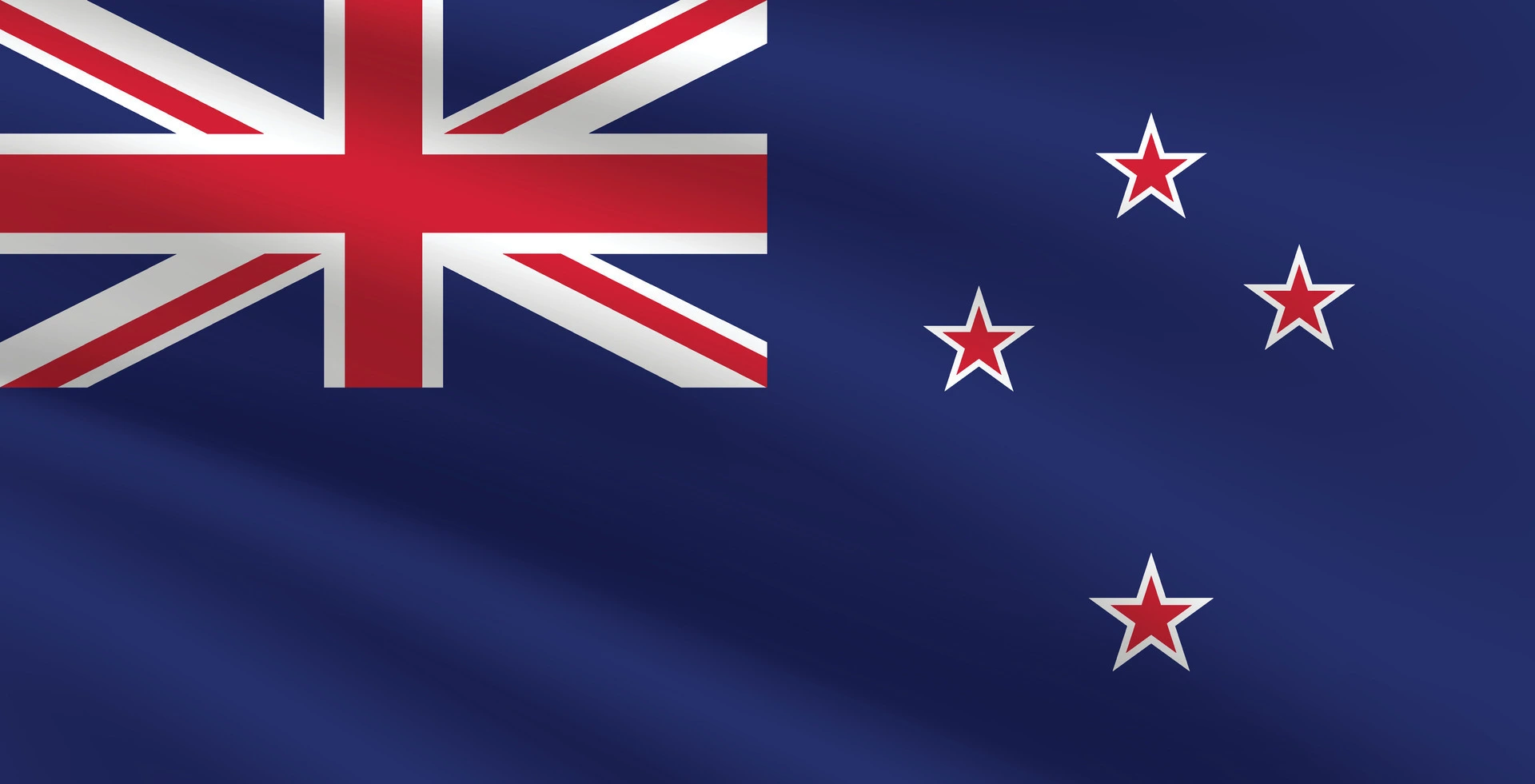
New Zealand Flag
New Zealand, or Aotearoa as it’s known in Māori, is a land of breathtaking landscapes, rich culture, and fascinating quirks that make it unlike anywhere else on Earth. From towering mountains and geothermal wonders to world-first achievements in politics and sports, this island nation has a knack for surprising visitors and locals alike. Whether it’s the story behind its famous flightless birds, its pioneering role in women’s suffrage, or the playful antics of its alpine parrots, New Zealand is full of trivia that blends natural beauty with human ingenuity.
In this post, we’ll explore 25 interesting facts about New Zealand that highlight its uniqueness — perfect for travelers, trivia lovers, or anyone curious about what makes this country so special.
1. More sheep than people
New Zealand’s pastoral landscape is dominated by sheep, with an estimated 25 million sheep compared to just 5 million people. This imbalance has historically defined the nation’s economy, as wool and lamb exports were once the backbone of its trade. Although dairy farming has overtaken sheep farming in recent decades, the image of rolling hills dotted with flocks remains iconic. The abundance of sheep also influenced rural culture, with shearing competitions and wool festivals becoming part of the national identity. Even today, New Zealand lamb is considered among the finest in the world, making this quirky fact both a cultural and economic hallmark.
2. Southernmost capital city
Wellington, perched at the southern tip of the North Island, is the southernmost capital city on Earth. Despite its modest size, it is a vibrant hub of politics, arts, and innovation. Known as “Windy Wellington” for its gusty weather, the city is home to Parliament and the Beehive, New Zealand’s distinctive government building. Its harbor and hills create a dramatic backdrop, while its cultural scene includes film studios, museums, and a thriving café culture. Wellington’s unique geography also makes it prone to earthquakes, adding resilience to its character as a capital city that blends natural beauty with political importance.
3. No snakes
Unlike neighboring Australia, New Zealand has no native snakes, a rarity in the natural world. This absence is due to its geographic isolation and strict biosecurity measures that prevent invasive species from establishing. For outdoor enthusiasts, this makes hiking and camping safer, as there are no venomous reptiles to worry about. Occasionally, sea snakes drift into New Zealand waters, but they do not survive long or reproduce. The lack of snakes highlights the uniqueness of New Zealand’s ecosystem, which evolved without many of the predators found elsewhere, allowing its birdlife to flourish in unusual ways.
4. Glowworm caves
The Waitomo Glowworm Caves are a natural wonder where thousands of glowworms illuminate the cave ceilings like a starry night sky. These glowworms, unique to New Zealand, emit bioluminescent light to attract prey. Visitors can take boat rides through underground rivers, marveling at the surreal glow above. The caves are not only a tourist attraction but also a scientific marvel, showcasing how species adapt to dark environments. The glowworm caves symbolize New Zealand’s ability to turn natural phenomena into unforgettable experiences, blending ecological uniqueness with tourism.
5. Volcanoes & geothermal wonders
New Zealand sits on the Pacific Ring of Fire, making it a hotspot for volcanic and geothermal activity. Rotorua, in the North Island, is famous for its geysers, hot springs, and bubbling mud pools. Māori communities have long harnessed geothermal energy for cooking and bathing, integrating it into cultural traditions. Volcanic landscapes like Mount Ruapehu and White Island add drama to the scenery, while geothermal power contributes significantly to renewable energy. This dynamic geology shapes both the environment and the culture, making New Zealand a land of fire and water.
6. Two main islands
New Zealand consists of the North Island (Te Ika-a-Māui) and the South Island (Te Waipounamu), along with over 600 smaller islands. The North Island is known for its geothermal activity, bustling cities, and Māori heritage, while the South Island boasts towering mountains, fjords, and adventure tourism. Together, they create a diverse landscape that ranges from subtropical beaches to alpine glaciers. The duality of the islands reflects New Zealand’s balance between urban vibrancy and untouched wilderness, offering something for every traveler.
7. Flightless birds
New Zealand is home to several flightless bird species, including the kiwi, kakapo, and takahe. These birds evolved without natural predators, allowing them to thrive without the ability to fly. The kiwi, in particular, has become a national symbol, representing resilience and uniqueness. The kakapo, a nocturnal parrot, was once nearly extinct but has been saved through intensive conservation efforts. These birds highlight the fragility and distinctiveness of New Zealand’s ecosystem, where isolation created creatures found nowhere else on Earth.
8. Giant kauri trees
The kauri trees of New Zealand are among the largest and oldest in the world, with some estimated to be over 2,000 years old. Towering majestically in the Northland forests, kauri trees were once heavily logged for their durable timber. Today, they are protected, and sites like Waipoua Forest allow visitors to marvel at giants like Tāne Mahuta, the “Lord of the Forest.” These trees are not only ecological treasures but also hold deep cultural significance for the Māori, who view them as sacred guardians of the land.
9. Penguins in the north
New Zealand is one of the few places where penguins live outside Antarctica, with species like the yellow-eyed penguin and little blue penguin inhabiting its coasts. The yellow-eyed penguin, considered one of the rarest in the world, is found on the South Island’s southeastern shores. Penguins in New Zealand thrive in temperate climates, nesting in coastal forests and beaches. Their presence adds to the country’s biodiversity and attracts wildlife enthusiasts eager to see these charismatic birds in unexpected habitats.
10. No land mammals originally
Before humans arrived, New Zealand’s only native land mammals were two species of bats. The absence of other mammals allowed birds to dominate the ecosystem, evolving into unique forms like the kiwi and kakapo. When humans introduced animals such as rats, cats, and possums, many native species faced extinction. Conservation efforts now focus on eradicating invasive mammals to restore the balance of the original ecosystem. This fact underscores how isolation shaped New Zealand’s natural world in extraordinary ways.
11. First country to give women the vote
In 1893, New Zealand became the first country in the world to grant women the right to vote, a landmark achievement in global suffrage. Led by activist Kate Sheppard, the movement reflected New Zealand’s progressive spirit and commitment to equality. This milestone set an example for other nations and remains a point of pride in the country’s history. Today, Sheppard’s legacy is honored on the $10 banknote, symbolizing the enduring importance of women’s rights in New Zealand society.
12. World’s first transgender MP
In 1999, Georgina Beyer made history as the world’s first openly transgender Member of Parliament. Her election reflected New Zealand’s openness and progressive values. Beyer’s career was groundbreaking, not only for LGBTQ+ representation but also for her advocacy on social issues. Her success highlighted New Zealand’s role as a leader in inclusivity and diversity, reinforcing its reputation as a country willing to challenge norms and embrace change.
13. Māori name is Aotearoa
The Māori name for New Zealand is Aotearoa, meaning “Land of the Long White Cloud.” This poetic name reflects the way early Polynesian navigators described the islands upon arrival. Today, Aotearoa is widely used alongside “New Zealand,” symbolizing the country’s bicultural identity. The name embodies the deep connection between the land and its people, serving as a reminder of Māori heritage and the importance of preserving indigenous culture.
14. Haka dance
The haka is a traditional Māori war dance characterized by powerful movements, chants, and expressions. Originally performed before battle, it is now used to celebrate, honor, and unify. The haka gained global fame through the All Blacks rugby team, who perform it before matches to intimidate opponents and showcase cultural pride. Beyond sports, the haka is performed at weddings, funerals, and ceremonies, symbolizing strength, respect, and identity.
15. Lord of the Rings filming
New Zealand’s dramatic landscapes became the backdrop for The Lord of the Rings and The Hobbit film trilogies. Director Peter Jackson showcased mountains, rivers, and valleys as Middle-earth, cementing New Zealand’s reputation as a cinematic wonderland. Tourism surged as fans flocked to locations like Hobbiton in Matamata and Tongariro National Park. The films not only boosted the economy but also highlighted the country’s natural beauty, intertwining pop culture with national pride.
16. National sport is rugby
Rugby is more than a sport in New Zealand — it is a national passion. The All Blacks, the national team, are among the most successful in history, known for their dominance and the haka ritual. Rugby unites communities, inspires young athletes, and serves as a symbol of resilience and teamwork. The sport’s importance extends beyond the field, influencing national identity and international recognition.
17. Distinctive accent
New Zealanders, or “Kiwis,” have a distinctive accent often described as a blend of Australian and British influences. However, it has unique vowel sounds and intonations that set it apart. Linguists note that the accent developed rapidly in the 19th century as settlers from different regions mixed. Today, the Kiwi accent is a marker of identity, sometimes humorously exaggerated in media but always recognized as uniquely New Zealand.
18. Cheeky kea parrots
The kea, an alpine parrot native to New Zealand’s South Island, is renowned for its intelligence and mischievous personality. These birds are highly curious and often interact with humans, sometimes in ways that cause trouble. Kea have been known to steal food, unzip backpacks, and even dismantle car parts like windshield wipers and rubber seals. Their playful antics make them both beloved and notorious, earning them the nickname “clowns of the mountains.” Conservationists admire their adaptability, but kea populations are threatened by predators and human conflict. Protecting them is vital, as they are one of the few parrot species adapted to cold alpine environments, making them truly unique in the avian world.
19. Pavlova dessert rivalry
The pavlova, a meringue-based dessert topped with cream and fruit, is a source of friendly rivalry between New Zealand and Australia. Both countries claim to have invented it in honor of Russian ballerina Anna Pavlova during her tours in the 1920s. Regardless of its origin, pavlova has become a staple of New Zealand cuisine, especially during festive occasions like Christmas. Its crisp exterior and soft, marshmallow-like interior make it a beloved treat. The rivalry itself has become part of the dessert’s charm, symbolizing the playful competition between the two nations while highlighting their shared culinary traditions.
20. Nickname “Kiwis”
New Zealanders proudly call themselves Kiwis, a nickname derived from the country’s iconic flightless bird. The kiwi is unique to New Zealand and has become a symbol of national identity, representing resilience, uniqueness, and connection to nature. The nickname gained popularity during World War I, when New Zealand soldiers were referred to as “Kiwis.” Today, it is embraced globally as a term of endearment for New Zealanders. The bird itself, however, is endangered, and conservation efforts are ongoing to protect it. The dual meaning — both a national symbol and a colloquial nickname — makes “Kiwi” one of the most recognizable identifiers in the world.
21. Remote location
New Zealand is one of the most geographically isolated countries, located over 2,000 kilometers from Australia and far from other major landmasses. This isolation has profoundly shaped its biodiversity, culture, and history. Many species evolved uniquely due to the lack of predators, resulting in flightless birds and unusual ecosystems. For humans, isolation meant that Māori settlers developed a distinct culture before European arrival. Today, the remoteness adds to New Zealand’s allure, making it feel like a pristine paradise at the edge of the world. It also poses challenges, such as reliance on international trade and long travel times, but the benefits of unique identity and untouched landscapes outweigh the drawbacks.
22. Invented bungee jumping
New Zealand is credited with inventing commercial bungee jumping, thanks to entrepreneur AJ Hackett, who popularized the sport in the 1980s. Inspired by traditional land-diving rituals in Vanuatu, Hackett developed safe elastic cords and launched bungee jumping from bridges and cliffs. Queenstown, known as the “adventure capital of the world,” became the epicenter of this adrenaline sport. Today, bungee jumping is a global phenomenon, but its roots remain firmly tied to New Zealand. The invention reflects the country’s adventurous spirit and willingness to embrace extreme sports, reinforcing its reputation as a destination for thrill-seekers.
23. No nuclear power plants
New Zealand is proudly nuclear-free, having passed legislation in 1987 that bans nuclear power plants and nuclear-armed ships from entering its waters. This stance reflects the country’s commitment to environmental sustainability and peace. The policy strained relations with allies like the United States at the time but has since become a cornerstone of New Zealand’s identity. Being nuclear-free aligns with its emphasis on renewable energy sources, such as hydro, wind, and geothermal power. The decision showcases New Zealand’s independence in global politics and its dedication to protecting both people and the environment.
24. Unique road signs
Traveling through New Zealand, you’ll encounter road signs featuring kiwi birds instead of the deer or cattle commonly seen elsewhere. These signs highlight the importance of protecting native wildlife, reminding drivers to be cautious in areas where kiwis or other animals may cross. The signs are both practical and symbolic, reinforcing the country’s connection to its natural heritage. They also serve as charming reminders to visitors that New Zealand’s wildlife is deeply integrated into everyday life, even on the roads.
25. High coffee culture
New Zealand has a thriving coffee culture, with the flat white — a creamy espresso-based drink — often credited as originating there (though Australia also claims it). Cafés are central to social life, and New Zealanders take pride in their barista skills and coffee quality. The flat white, distinguished by its velvety microfoam and strong espresso flavor, has become a global trend, but its roots lie in Kiwi café culture. Coffee culture reflects New Zealand’s emphasis on community, creativity, and quality, making it a defining aspect of urban life in cities like Wellington and Auckland.
🌍 Frequently Asked Questions About New Zealand
1. What is New Zealand famous for?
New Zealand is best known for its stunning natural landscapes, including fjords, mountains, geothermal areas, and pristine beaches. It’s also famous for the All Blacks rugby team, the Lord of the Rings filming locations, and its progressive social policies (such as being the first country to grant women the right to vote in 1893). The Māori culture, with traditions like the haka, adds a unique dimension to its identity.
2. Is New Zealand a country or part of another nation?
Yes, New Zealand is a sovereign country. It is a unitary parliamentary constitutional monarchy with King Charles III as head of state, represented locally by the Governor-General. It is not part of Australia, though the two countries share close ties.
3. What languages are spoken in New Zealand?
The official languages are English, Māori, and New Zealand Sign Language. English is the most widely spoken, but Māori is increasingly used in schools, government, and cultural events. Many place names and greetings (like kia ora) come from Māori.
4. What is the climate like in New Zealand?
New Zealand has a temperate climate, with mild summers and cool winters. The North Island tends to be warmer and more humid, while the South Island experiences colder winters and alpine conditions. Weather can change quickly due to the country’s geography, so travelers are advised to pack for all seasons.
5. Do you need a visa to visit New Zealand?
Most visitors require a New Zealand Electronic Travel Authority (NZeTA) before arrival. Citizens of visa-waiver countries can enter for short stays, while others must apply for a visa. Immigration rules also require proof of onward travel and sufficient funds.
6. What currency does New Zealand use?
The official currency is the New Zealand Dollar (NZD). It is available in coins and colorful polymer banknotes featuring native birds and historical figures.
7. What is the culture of New Zealand like?
New Zealand culture is a blend of Māori traditions and European influences, enriched by Pacific Island and Asian communities. Māori customs, such as carving, weaving, and performing the haka, are central to national identity. Kiwis are also known for their laid-back lifestyle, love of outdoor activities, and strong sense of community.
8. What food is popular in New Zealand?
The diet reflects multicultural influences, with staples like lamb, seafood, kumara (sweet potato), and pavlova. Māori cuisine includes traditional dishes like hangi (food cooked in an earth oven). Coffee culture is strong, with the flat white being a Kiwi invention.
9. Is New Zealand safe to visit?
Yes, New Zealand is considered one of the safest countries in the world. Crime rates are low, and the biggest risks are natural hazards such as earthquakes or sudden weather changes. The country has strict biosecurity laws to protect its environment.
10. What is the economy of New Zealand based on?
New Zealand’s economy is highly developed and relies on agriculture, tourism, and trade. Dairy, meat, and wine are major exports, while tourism contributes significantly to GDP. Renewable energy, especially geothermal and hydroelectric, also plays a key role.