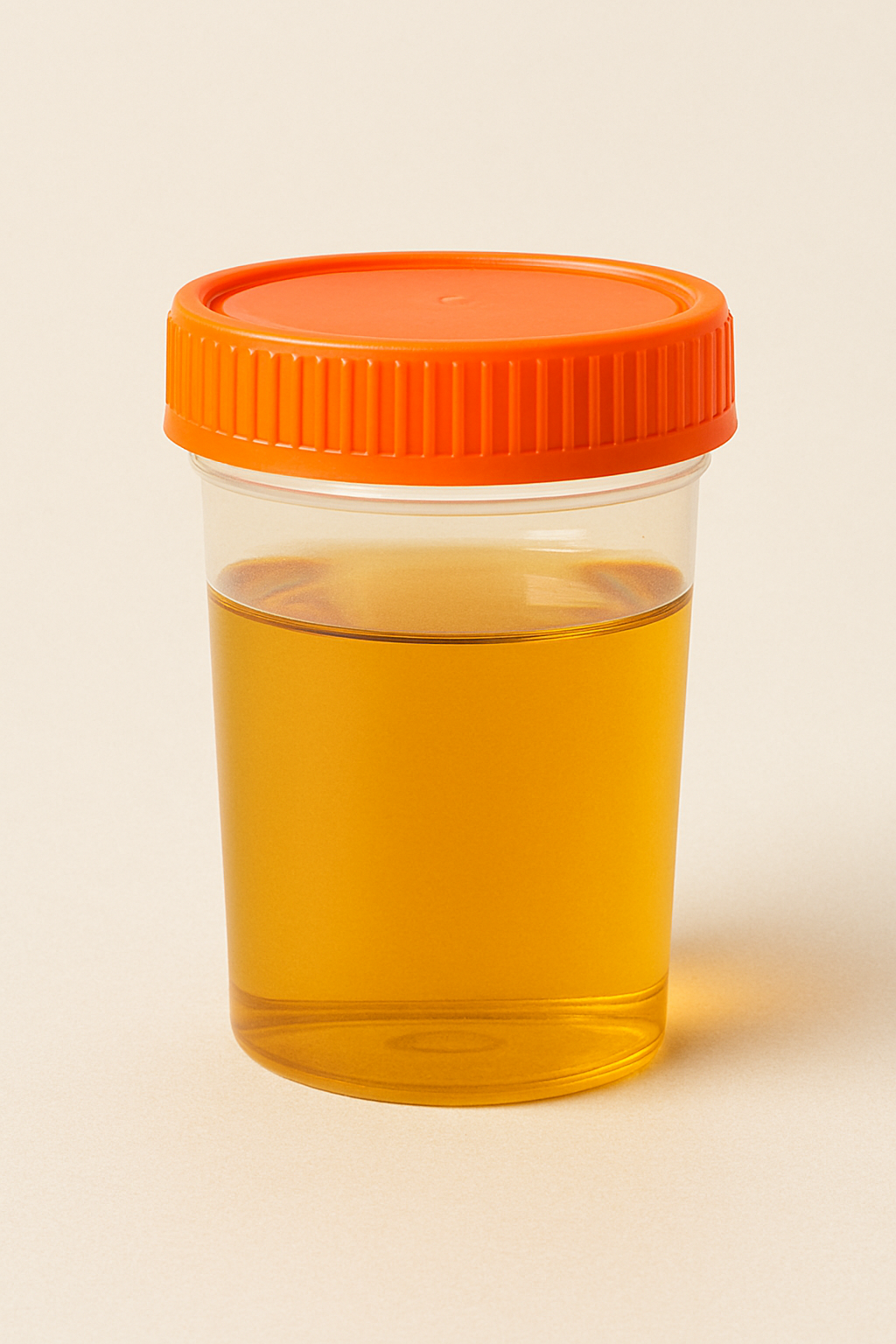
Urine Sample
Urine might not be the most glamorous topic, but it’s one of the most fascinating windows into biology, history, and culture. Far more than just a waste product, urine has shaped medicine, fueled industries, inspired quirky traditions, and even influenced language. From its vital role in the human body to its surprising uses in ancient Rome and beyond, this everyday substance carries stories that are both scientific and downright surprising. In this post, we’ll explore 25 intriguing facts about urine that reveal just how much impact something so ordinary can have on health, society, and the world around us.
🧪 Biological & Physiological Facts
1. Urine is ~95% water Human urine is composed primarily of water, making up about 95% of its volume. This high water content is essential for dissolving and transporting waste products out of the body. The remaining 5% consists of urea, salts, and other organic and inorganic compounds. This balance ensures that the kidneys can efficiently flush out toxins while maintaining hydration. Interestingly, the water content of urine varies depending on fluid intake, diet, and environmental conditions, which is why dehydration often leads to darker, more concentrated urine.
2. Urea is the main nitrogenous waste Urea is the dominant nitrogenous compound in human urine, produced during protein metabolism. When proteins are broken down into amino acids, the nitrogen component must be safely excreted, and the liver converts it into urea. This compound is then transported to the kidneys for elimination. Urea is not only a waste product but also historically valuable: it was once extracted from urine for use in fertilizers and even in early chemical industries, highlighting how a simple metabolic by-product became a cornerstone of human innovation.
3. Normal daily urine output is 800–2,000 mL The average adult produces between 800 and 2,000 milliliters of urine per day, depending on hydration levels, diet, and health status. This range reflects the body’s ability to regulate fluid balance and excrete waste efficiently. Excessive urine output (polyuria) can indicate conditions like diabetes, while reduced output (oliguria) may signal dehydration or kidney dysfunction. The variability of daily urine production underscores its role as a vital indicator of overall health.
4. Urine color comes from urochrome The characteristic yellow hue of urine is due to urochrome, a pigment formed from the breakdown of hemoglobin. When red blood cells are recycled, hemoglobin is metabolized into bilirubin and other compounds, eventually producing urochrome. The intensity of urine color can vary with hydration: diluted urine appears pale, while concentrated urine is darker. This simple visual cue has long been used as a quick health check, even before modern diagnostic tools existed.
5. Odor changes reflect diet Urine odor is influenced by diet, hydration, and metabolic processes. Certain foods, such as asparagus, contain sulfur compounds that produce a distinctive smell when excreted. Similarly, coffee, garlic, and spices can alter urine’s scent. In medical contexts, unusual odors may indicate metabolic disorders, such as maple syrup urine disease, where urine smells sweet due to abnormal amino acid metabolism. Thus, urine odor serves as both a cultural curiosity and a diagnostic clue.
6. pH ranges from 4.5 to 8.0 Urine’s acidity or alkalinity varies depending on diet and health. A high-protein diet tends to produce acidic urine, while vegetarian diets often result in alkaline urine. The kidneys regulate pH to maintain the body’s acid-base balance, and abnormal values can indicate conditions such as urinary tract infections or metabolic imbalances. This variability makes urine pH testing a valuable tool in clinical diagnostics.
7. Density averages 1.003–1.030 g/mL Urine’s specific gravity reflects its concentration of solutes. Normal ranges between 1.003 and 1.030 g/mL, with lower values indicating diluted urine and higher values suggesting concentrated urine. Clinicians use this measurement to assess hydration status and kidney function. For example, persistently high specific gravity may point to dehydration, while abnormally low values could signal kidney disease or excessive fluid intake.
8. Urine contributes to the nitrogen cycle Beyond its role in human physiology, urine plays a crucial ecological role. Rich in nitrogen, it fertilizes soil and supports plant growth. In traditional agriculture, urine was often collected and applied to fields as a natural fertilizer. This practice highlights the interconnectedness of human biology and environmental sustainability, where waste products become resources in the broader ecosystem.
9. Perspiration also excretes urea Although urine is the primary route for nitrogenous waste, sweat also contains small amounts of urea. This dual excretion pathway demonstrates the body’s redundancy in waste management. Athletes and individuals in hot climates may excrete more urea through sweat, contributing to the salty taste of perspiration. While minor compared to urine, this process underscores the body’s adaptability in maintaining homeostasis.
10. Other vertebrates excrete urine differently Not all animals excrete urine in the same way. Birds and reptiles, for instance, eliminate waste through the cloaca, a single opening for excretion and reproduction. Their urine often contains uric acid instead of urea, forming a paste-like substance that conserves water. This adaptation is vital for survival in arid environments, illustrating the evolutionary diversity of excretory systems across species.
🩺 Medical & Diagnostic Facts
11. Urinalysis is one of the oldest diagnostic tests Urinalysis has been used for centuries to assess health, long before modern medicine. Physicians in ancient civilizations examined urine’s color, odor, and taste to diagnose disease. Today, urinalysis remains a cornerstone of medical diagnostics, detecting infections, kidney disease, and metabolic disorders. Its enduring relevance highlights urine’s diagnostic power across history.
12. Glucose in urine indicates diabetes The presence of glucose in urine, known as glycosuria, is a hallmark of diabetes mellitus. Normally, kidneys reabsorb glucose, but when blood sugar levels exceed a threshold, glucose spills into urine. This discovery was pivotal in diagnosing diabetes before blood tests became standard. Even today, urine glucose testing remains a simple, non-invasive screening tool.
13. Protein in urine signals kidney damage Proteinuria, or protein in urine, often indicates kidney dysfunction. Healthy kidneys prevent large molecules like proteins from passing into urine, so their presence suggests damage to the filtration system. Persistent proteinuria can be a sign of chronic kidney disease, hypertension, or other systemic conditions, making it a critical diagnostic marker.
14. Blood in urine can result from infections or trauma Hematuria, or blood in urine, is a symptom with many possible causes, including urinary tract infections, kidney stones, or physical injury. While sometimes benign, it can also signal serious conditions like cancer. Its visibility makes it one of the most alarming urinary symptoms, prompting immediate medical evaluation.
15. Urine tests can detect pregnancy Pregnancy tests rely on detecting human chorionic gonadotropin (hCG) in urine. This hormone, produced after implantation, provides a reliable marker of pregnancy. The development of home pregnancy tests revolutionized reproductive health, offering women privacy and convenience in confirming pregnancy.
⚔️ Historical & Industrial Uses
16. Aged urine was used in gunpowder production In early gunpowder manufacturing, aged urine (called lant) was a key ingredient. Its ammonia content helped produce potassium nitrate, a critical component of gunpowder. This surprising use of human waste underscores the ingenuity of early chemists, who transformed everyday substances into powerful technologies.
17. Leather tanning relied on urine Urine’s ammonia made it valuable in leather tanning, softening hides and preparing them for further treatment. Workers often collected urine in large quantities, sometimes from public sources. This practice highlights how waste products were repurposed in pre-industrial economies.
18. Textile dyeing and cleaning used urine Urine served as a mordant in textile dyeing, helping fix colors to fabrics. Its detergent properties also made it useful for cleaning wool and other materials. Roman fullers, for example, used urine extensively in laundering, demonstrating its versatility in everyday life.
19. Roman fullers collected urine in public jars In ancient Rome, fullers (laundry workers) placed jars in public places for urine collection. Citizens contributed, and the collected urine was used to clean clothes. This communal practice illustrates how waste was integrated into urban economies, turning a by-product into a resource.
20. Urine was taxed in ancient Rome Emperor Vespasian famously imposed a tax on urine collection, recognizing its economic value. The phrase “Money doesn’t stink” (pecunia non olet) originated from this policy, reflecting the pragmatic view that even unpleasant resources could generate revenue. This anecdote remains a classic example of Roman practicality.
🌍 Cultural & Survival Facts
21. Animals mark territory with urine Many animals use urine for communication, marking territory with scent. Wolves, lions, and domestic cats all rely on urine marking to establish dominance and boundaries. This behavior demonstrates urine’s role beyond waste elimination, functioning as a powerful social signal in the animal kingdom.
22. Urine has been used as fertilizer Across cultures, urine has been applied to fields as a natural fertilizer. Its nitrogen content makes it effective in promoting plant growth. In subsistence farming, this practice provided a sustainable way to recycle nutrients, linking human biology directly to agricultural productivity.
23. Urine used in survival situations In extreme survival scenarios, urine has been used to clean wounds due to its sterility when freshly excreted. While not recommended in modern medicine, this practice reflects human resourcefulness in desperate circumstances. It also highlights the blurred line between cultural practices and scientific evidence.
24. Urine therapy practiced in some cultures Urine therapy, involving drinking urine, has been practiced in certain cultures for perceived health benefits. While lacking scientific support, it illustrates the diverse ways humans have interpreted bodily functions. This controversial practice remains a subject of curiosity and debate.
25. Language and idioms shaped by urine Urine has left a surprising imprint on language and idiomatic expressions across cultures. In English, phrases like “taking the piss” or “piss-poor” use urine metaphorically to convey mockery, inadequacy, or disdain. The Roman tax on urine even gave rise to the famous Latin phrase pecunia non olet (“money doesn’t stink”), which is still quoted today to highlight the pragmatic acceptance of profit regardless of its source. In other cultures, urine-related expressions often carry humorous, taboo, or earthy connotations, reflecting its dual role as both a mundane bodily function and a symbol of social boundaries. These idioms demonstrate how something as ordinary as urine can permeate everyday speech, shaping humor, satire, and cultural attitudes toward bodily processes.
🟡 What color is healthy urine?
Healthy urine is typically pale yellow to light straw-colored, which indicates proper hydration and normal kidney function. The color comes from urochrome, a pigment formed during the breakdown of hemoglobin.
- Dark yellow or amber may suggest dehydration.
- Clear urine could mean overhydration.
- Red or pink might indicate blood, beets, or medications.
- Brown or tea-colored urine can signal liver issues or muscle breakdown.
- Green or blue is rare but may result from medications or dyes. If urine color changes persist or seem unusual, consult a healthcare provider.
👃 Why does my urine smell bad?
Urine odor can vary based on diet, hydration, medications, or health conditions.
- Strong ammonia smell often means dehydration.
- Sweet or fruity smell may indicate diabetes (due to ketones).
- Foul or fishy odor could signal a urinary tract infection (UTI).
- Asparagus, coffee, and garlic can cause distinctive smells. Persistent or unusual odors should be evaluated medically.
💧 How often should I urinate?
Most people urinate 6–8 times per day, though up to 10 times can be normal depending on fluid intake, caffeine, alcohol, and medications.
- Frequent urination may be caused by diabetes, UTIs, pregnancy, or anxiety.
- Infrequent urination could indicate dehydration or kidney issues. If urination patterns change significantly, it’s worth discussing with a doctor.
🔥 Why does it burn when I pee?
Burning or pain during urination is commonly caused by:
- Urinary tract infections (UTIs)
- Sexually transmitted infections (STIs)
- Kidney stones or bladder inflammation
- Chemical irritants (e.g., soaps, douches) This symptom should be evaluated promptly, especially if accompanied by fever or blood in urine.
🩸 What does blood in urine mean?
Blood in urine (hematuria) can be:
- Visible (gross hematuria) — red or pink urine
- Microscopic — detected only via lab tests Common causes include:
- UTIs, kidney stones, trauma, vigorous exercise, or cancer Even small amounts of blood warrant medical evaluation.
🤰 Can urine detect pregnancy?
Yes. Urine pregnancy tests detect human chorionic gonadotropin (hCG), a hormone produced after implantation.
- Most tests are accurate 1–2 weeks after a missed period.
- Morning urine is best due to higher hCG concentration. False negatives can occur if tested too early.
🧪 What does a urine test check for?
A standard urinalysis evaluates:
- Color, clarity, and odor
- pH and specific gravity (hydration and kidney function)
- Protein, glucose, ketones, bilirubin, and blood
- White blood cells, nitrites, and bacteria (infection markers) It’s used to diagnose UTIs, diabetes, kidney disease, liver problems, and more.
⚖️ What is the normal pH of urine?
Urine pH typically ranges from 4.5 to 8.0.
- Acidic urine (lower pH) is common with high-protein diets.
- Alkaline urine (higher pH) may result from vegetarian diets or UTIs. Abnormal pH can signal metabolic or renal issues.
🧠 Can stress affect urine?
Yes. Stress and anxiety can increase urinary frequency due to heightened sympathetic nervous system activity.
- This is often referred to as “nervous bladder.”
- It’s common before exams, interviews, or public speaking. If persistent, it may be linked to overactive bladder or anxiety disorders.
🧬 Can urine detect all health problems?
No. While urine tests are powerful, they cannot detect all conditions.
- They’re excellent for kidney, metabolic, and urinary tract issues.
- They don’t detect heart disease, most cancers, or neurological disorders. Urine testing is best used alongside blood tests and imaging for a full health picture.