Jollibee
From its humble beginnings as a modest ice cream parlor in Quezon City to its current status as a global fast-food juggernaut that routinely outsells McDonald’s in the Philippines, Jollibee is much more than just a restaurant—it is a cultural phenomenon. With its iconic smiling bee mascot, sweet-style spaghetti, and the legendary crispy Chickenjoy, the brand has captured the hearts and taste buds of millions worldwide, expanding its reach to over 1,700 locations across 17 countries. Whether you are a die-hard fan of the Jollibee Peach Mango Pie or just curious about the history behind the world’s fastest-growing restaurant chain, this list will give you a deeper appreciation for the empire. Dive in as we explore 25 interesting facts about Jollibee that reveal the fascinating journey, brilliant business strategies, and delicious secrets behind the beloved Filipino brand.
Fact number 1
Jollibee is a Philippine fast-food restaurant chain and the flagship brand of Jollibee Foods Corporation (JFC), serving as the primary revenue generator and cultural anchor for the entire multinational conglomerate. As the crown jewel of JFC, the brand drives the majority of the corporation’s financial success and global brand recognition, setting the gold standard for quick-service restaurants in the country. It acts as the main vehicle for the parent company’s aggressive domestic and international expansion strategies, leveraging its massive market dominance to fund the acquisition and development of other diverse dining concepts within the JFC portfolio, thereby solidifying its status as a global food and beverage powerhouse.
Fact number 2
It is the top fast-food restaurant in the Philippines and is considered one of the world’s fastest-growing restaurant chains, consistently outperforming legacy global competitors like McDonald’s in local market share by deeply tailoring its menu to the specific flavor profiles of the Filipino palate. Beyond its undisputed domestic dominance, the chain has achieved rapid year-over-year store openings and revenue growth that outpace many of its international counterparts in the highly competitive global quick-service industry. This explosive growth trajectory is fueled by a combination of aggressive organic store openings, strategic international acquisitions, and a highly scalable franchising model that allows the brand to penetrate new markets with remarkable speed and efficiency.
Fact number 3
The company was established in 1978 by visionary entrepreneur Tony Tan Caktiong, marking a pivotal moment in the Philippine culinary landscape when he officially transitioned his family’s business from an ice cream parlor into a dedicated fast-food operation. Drawing upon his background in chemical engineering and his keen understanding of local consumer behavior, Tan Caktiong recognized a massive gap in the market for an affordable, high-quality, and culturally resonant quick-service dining experience. This foundational decision in 1978 laid the groundwork for what would eventually grow into a multi-billion-dollar empire, fundamentally changing how Filipinos dine out and establishing a homegrown brand capable of competing with, and ultimately defeating, foreign fast-food giants on their own soil.
Fact number 4
Tony Tan Caktiong currently serves as the Chairman of the company, where he focuses on high-level corporate governance, long-term strategic planning, and the overarching stewardship of the brand’s legacy. In this executive capacity, he guides the vision of Jollibee Foods Corporation from the boardroom, ensuring that the company maintains its core cultural values and operational excellence while pursuing aggressive global expansion. His leadership is instrumental in navigating the complexities of the international food and beverage market, forging high-level corporate partnerships, and steering the conglomerate through economic fluctuations, ensuring that the flagship brand remains resilient and innovative in an ever-evolving global marketplace.
Fact number 5
Ernesto Tanmantiong serves as the President and CEO, tasked with the rigorous execution of the company’s day-to-day operations, strategic initiatives, and the management of its vast global network. Tanmantiong is directly responsible for overseeing the thousands of company-owned and franchised stores, driving supply chain efficiencies, and ensuring that the rigorous quality control standards are maintained across all locations. His operational expertise is critical in leading the continuous innovation of the menu, optimizing the customer experience, and implementing the tactical maneuvers required to sustain the brand’s competitive edge in both the saturated local market and the highly diverse foreign markets where the company continues to expand.
Fact number 6
The corporate nerve center for all domestic and international operations is located at the company’s headquarters, which is situated at the Jollibee Plaza Building in Ortigas Center, Pasig, Philippines. This central hub is strategically located in one of the country’s premier central business districts and houses the executive leadership, marketing teams, culinary research and development kitchens, and extensive administrative departments. Serving as the physical manifestation of the brand’s monumental success, the plaza acts as the primary command post from which its massive logistical networks, franchising operations, and global supply chains are coordinated, ensuring seamless communication and operational synergy across the entire multinational corporation.
Fact number 7
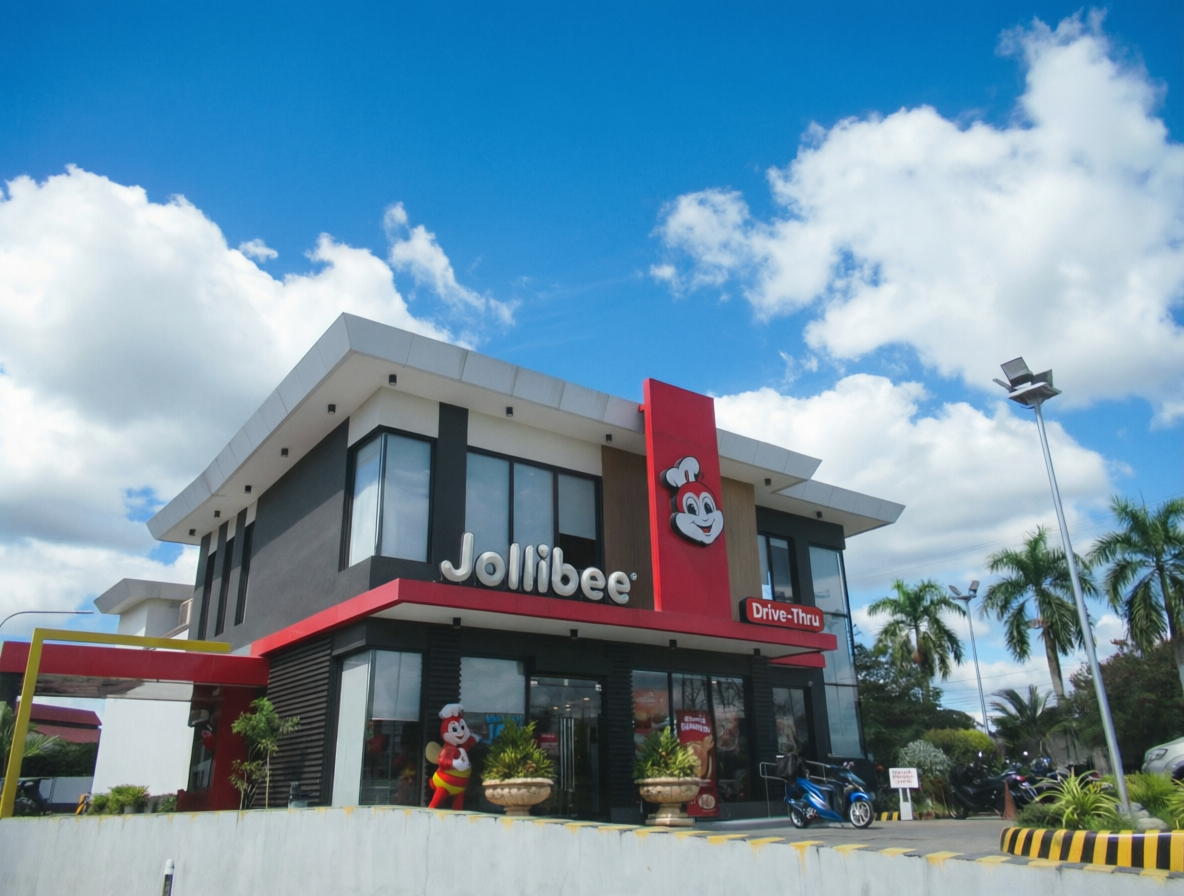
Demonstrating its massive scale and unparalleled market penetration, as of 2024, Jollibee operates over 1,700 locations globally, encompassing a complex mix of corporate-owned outlets and independently franchised stores. This immense physical footprint not only solidifies its absolute dominance in the Philippine archipelago but also represents a monumental achievement in the quick-service restaurant sector on a global scale. Managing over 1,700 locations requires a highly sophisticated, vertically integrated supply chain, rigorous and standardized quality control measures, and a massive workforce of hundreds of thousands of employees to maintain consistent food quality, service speed, and customer satisfaction across millions of daily transactions worldwide.
Fact number 8
A significant and rapidly expanding portion of this massive global footprint is dedicated to international markets, with more than 400 of these locations situated outside of the Philippines. This strategic international expansion initially targeted specific geographic areas with high concentrations of Overseas Filipino Workers (OFWs) who were seeking a comforting taste of home while living abroad. However, the brand has since successfully evolved its marketing and menu strategies to capture broader non-Filipino demographics, proving that its unique flavor profiles, generous portion sizes, and exceptional value propositions possess a universal appeal that transcends cultural, linguistic, and geographical boundaries to attract a highly diverse global customer base.
Fact number 9
Highlighting its strategic and calculated global reach, as of January 2024, the chain operates in 17 different countries, including major Western markets like the US, Canada, and the UK, as well as key Asian and Middle Eastern hubs such as Singapore, Vietnam, and several Middle Eastern nations. This specific geographic distribution across 17 countries is carefully engineered to maximize brand visibility among the widespread Filipino diaspora while simultaneously introducing the unique taste of Filipino fast food to diverse international consumer bases. By establishing a strong foothold in both high-income Western economies and high-growth Asian and Middle Eastern markets, the company ensures a balanced, resilient, and highly profitable global revenue stream.
Fact number 10
The sheer acceleration of this global strategy is starkly evident in the company’s historical growth metrics, as between 2014 and 2024, Jollibee’s international presence expanded almost sixfold. This explosive decade of 6x growth was fueled by a combination of aggressive organic store openings in key diaspora hubs, the strategic acquisition of established foreign restaurant chains to instantly gain market share, and highly targeted, localized marketing campaigns. This phenomenal expansion effectively transformed Jollibee from a primarily domestic powerhouse into a formidable multinational corporation with a deeply entrenched global footprint, drastically increasing its international revenue share and cementing its status as a top-tier global player in the quick-service restaurant industry.
Fact number 11
The humble origins of what would eventually become a fast-food empire started in 1975, when Tony Tan Caktiong and his family originally opened a Magnolia ice cream parlor in Cubao, Quezon City. Operating initially as a franchise of the popular local Magnolia ice cream brand, the family-run parlor was situated in Cubao, which was at the time a bustling commercial and transportation hub in Metro Manila. This initial venture attracted a steady, high-volume stream of customers, providing the Tan Caktiong family with crucial, hands-on insights into the local food service industry, shifting consumer behavior, and the complex operational logistics required to run a successful retail food establishment in a highly competitive urban environment.
Fact number 12
Observing the distinct eating habits and preferences of their diverse clientele, the ice cream parlor eventually started offering hot meals and sandwiches alongside their pre-packed frozen desserts to provide a more comprehensive and satisfying dining experience. This crucial operational pivot was a direct, pragmatic response to customers who wanted savory, filling, and affordable food options to complement their sweet treats, especially during regular meal times. By integrating a small kitchen to prepare these hot meals, the business fundamentally altered its revenue streams and daily foot traffic patterns, proving to the family that the location had the immense potential to be much more than just a seasonal or niche dessert shop.
Fact number 13
As consumer demand heavily and consistently shifted toward the newly introduced savory offerings, it quickly became clear that the hot meals became more popular than the ice cream, prompting the family to make a decisive and permanent business pivot. Recognizing this undeniable market preference and the higher profit margins associated with hot food, the family decided to convert the parlor into a fast-food restaurant in 1978. This bold move involved officially shifting their entire business model away from frozen desserts and fully committing to the quick-service hot meal concept, a strategic gamble that would ultimately define their future success and lay the foundation for a nationwide franchise network.
Fact number 14
Navigating this critical and complex transition from a simple, single-location ice cream shop to a scalable, multi-outlet fast-food operation required expert professional guidance, and management consultant Manuel C. Lumba advised the Tan Caktiong family on this strategic shift. Lumba provided essential, high-level expertise in business structuring, operational efficiency, standardized food preparation, and brand positioning, helping the family professionalize their operations. His mentorship was instrumental in teaching them how to implement the scalable business practices, franchising models, and rigorous quality control measures necessary to transform a single, family-run restaurant concept into a standardized, rapidly expandable, and highly profitable nationwide corporate entity.
Fact number 15
As the business rapidly evolved and the critical need for a distinct, legally protectable, and highly marketable corporate identity grew, the brand was initially spelled “Jolibe” before officially changing its name to “Jollibee.” This subtle but incredibly crucial rebranding was implemented to improve the phonetic flow of the name, enhance visual symmetry and impact in the logo design, and create a more memorable trademark. The double ‘L’ and double ‘E’ in “Jollibee” gave the brand a more balanced and visually appealing aesthetic, creating a legally defensible trademark that would perfectly complement the introduction and massive commercial success of their now-iconic anthropomorphic bee mascot in the years that followed.
Fact number 16
Taking the monumental and highly risky step of crossing national borders, the very first overseas Jollibee opened in Singapore in 1985 at the Katong Shopping Centre. This pioneering international location was a strategic test of the brand’s viability and operational adaptability outside the Philippine archipelago, specifically aiming to capture the market of Filipino expatriates, seafarers, and locals in Singapore. Opening at the historic Katong Shopping Centre set the foundational blueprint for the company’s future, albeit challenging, forays into the global quick-service restaurant market, marking the first time the iconic bee mascot and its unique menu items were introduced to an international audience.
Fact number 17
Despite the historic significance and immense ambition behind the initial launch, that first international location closed a year later in 1986 due to severe operational challenges, supply chain issues, and a lack of sustained profitability in that specific, highly competitive market. However, the company did not abandon the region or the dream of international expansion; instead, they meticulously analyzed their initial missteps, refined their international operational strategies, and improved their supply chain logistics. Consequently, the brand successfully returned to Singapore in 2013 with a much stronger, more resilient market entry, ultimately achieving the massive, sustained commercial success that had eluded them during their first, premature attempt nearly three decades prior.
Fact number 18
Central to the brand’s enduring culinary appeal and massive daily sales volume, Jollibee is best known for its “Chickenjoy” fried chicken, which was introduced in the 1980s and remains the absolute, undisputed cornerstone of their menu. Meticulously engineered to perfection for the local palate, this iconic dish features a uniquely seasoned, twice-breaded chicken that is pressure-fried to achieve an exceptionally crispy, flaky skin while retaining incredibly juicy, tender meat on the inside. It is available in both regular and spicy versions, but its true magic lies in being always served with the chain’s signature, perfectly balanced savory brown gravy, a proprietary blend that perfectly complements the Filipino love for rich, umami-packed flavors.
Fact number 19
Another best-seller that has stood the test of time and remains a nostalgic favorite for millions is the “Yumburger,” a house hamburger that was introduced during the chain’s early days of operation right after the pivot from ice cream. This classic, foundational menu item is renowned for its distinctively sweet and savory special dressing, a perfectly steamed and toasted sesame seed bun, and a seasoned beef patty that offers a unique flavor profile distinct from Western burgers. Serving as an incredibly accessible, budget-friendly entry point for customers, the Yumburger has become a high-volume driver for the company’s daily sales and a staple comfort food for generations of Filipinos.
Fact number 20
The menu also features “Jolly Spaghetti,” a uniquely localized, sweet Filipino-style spaghetti that includes a rich beef sauce mixed with pieces of sliced red hot dog and ham, heavily deviating from traditional, savory Italian recipes. Topped with a generous amount of grated cheese and sweetened with banana ketchup and sugar, this dish caters specifically to the local cultural preference for sweet and savory flavor profiles. It has transcended its status as a mere fast-food item to become an incredibly popular, mandatory centerpiece for children’s birthday parties, family gatherings, and town fiestas, serving as a definitive cultural marker of Filipino fast-food cuisine and a massive driver of group dining sales.
Fact number 21
The visual and emotional identity of the brand is firmly anchored by the Jollibee mascot, which is a large, friendly anthropomorphic bee dressed in a vibrant red blazer, a crisp white shirt, and a traditional white chef’s hat. This cheerful, larger-than-life character is a ubiquitous and beloved presence throughout the Philippines, frequently appearing at grand store openings, community outreach events, school functions, and children’s parties. By performing choreographed dances, handing out balloons, and interacting warmly with fans of all ages, the mascot effectively cements the brand’s image as a highly family-oriented, joyful, and welcoming establishment that prioritizes customer happiness and emotional connection.
Fact number 22
The mascot was officially introduced in 1980, and its physical design and behavioral mannerisms are heavily based on Mickey Mouse, deliberately leveraging the globally recognized, universally appealing archetype of the Disney character to instantly connect with children and families. By adopting the familiar round ears, expressive facial features, white gloves, and cheerful, animated demeanor associated with Mickey Mouse, the company ensured that the mascot would be universally understood across different cultures as a symbol of fun, entertainment, and childhood joy. This strategic design choice allowed the bee to bypass the need for extensive brand education, instantly communicating a sense of approachability and happiness to anyone who saw it.
Fact number 23
Beyond mere commercial entertainment and visual appeal, the mascot was specifically and intentionally designed to epitomize Filipino optimism, reflecting the resilient, cheerful, and forward-looking spirit of the local populace even in the face of significant social or economic adversity. The constant, unwavering, and radiant smile of the character is meant to project a powerful sense of joy, hope, and positivity, deliberately aligning the brand’s corporate identity with the deepest cultural values of the Philippines. This thoughtful design fosters a profound, emotional connection with consumers, who subconsciously view the mascot not just as a corporate logo, but as a genuine reflection of their own national character and enduring positivity.
Fact number 24
Founder Tony Tan Caktiong has deeply compared the mascot’s character to the Filipino working class, drawing a direct, philosophical parallel between the naturally industrious, community-oriented nature of a bee and the hardworking, self-sacrificing ethos of the everyday Filipino citizen. This profound alignment elevates the mascot from a simple, child-focused marketing tool to a respected cultural icon, allowing the brand to resonate on a much deeper socioeconomic level with its primary demographic. By honoring the daily struggles and triumphs of hardworking families and professionals, the brand fosters immense loyalty among consumers who see the mascot as a respectful, joyful reflection of their own relentless daily hustle.
Fact number 25
Elaborating on this profound cultural and socioeconomic connection, Tan Caktiong explicitly stated that the bee represents the working class because it “hops around and produces sweet things for life, and is happy even though it is busy.” This specific, beautifully articulated philosophy perfectly encapsulates the brand’s core mission to provide sweet, joyful, and comforting culinary experiences to its customers, while simultaneously acknowledging and celebrating the relentless, often exhausting hustle of its employees and patrons. By embedding the core tenets of hard labor, unwavering happiness, and the production of “sweet things” into the very fabric of the company’s foundational lore, Tan Caktiong ensured that the brand’s identity would forever remain deeply intertwined with the soul of the Filipino worker.
Frequently Asked Questions about Jollibee
Jollibee dominates the Philippine fast-food market and consistently outsells global giants like McDonald’s primarily because of its aggressive and highly successful localization strategy. While McDonald’s initially tried to force its standard American menu on the Philippine market, Jollibee engineered its food specifically to cater to the distinct Filipino palate, which heavily favors sweet, savory, and umami flavor profiles. For example, Jollibee’s spaghetti is distinctly sweet and loaded with sliced hotdogs, its burgers feature a sweeter special dressing, and its fried chicken is paired with a proprietary, deeply savory brown gravy that perfectly complements steamed rice—a staple in the local diet. Beyond just the food, Jollibee has deeply embedded itself into the local culture by positioning its stores as ideal venues for large family gatherings, birthday parties, and community celebrations, creating a profound emotional connection and sense of national pride that foreign competitors have historically struggled to replicate.
The undisputed cornerstone of the Jollibee menu is “Chickenjoy,” a highly seasoned, twice-breaded fried chicken that is pressure-fried to achieve an exceptionally crispy exterior while remaining incredibly juicy inside, universally served with the chain’s signature savory brown gravy and steamed rice. Another iconic, must-try item is “Jolly Spaghetti,” a unique Filipino-style pasta featuring a sweet tomato-banana ketchup sauce, chunks of red hotdog and ham, and topped with melted grated cheese, which is a mandatory centerpiece for local celebrations. The “Yumburger” is the classic, budget-friendly house hamburger known for its sweet-savory dressing and toasted sesame seed bun, while the “Peach Mango Pie,” a flaky, deep-fried pastry filled with sweet peaches and Philippine mangoes, is widely considered one of the best fast-food desserts in the world. For a savory noodle alternative, “Palabok,” a rice noodle dish topped with a rich shrimp-based sauce, chicharon (pork cracklings), and smoked fish flakes, is a massive favorite for breakfast or merienda (afternoon snacks).
Jollibee is no longer confined to the Philippines; it has evolved into a massive global footprint with over 1,700 locations spread across 17 different countries. Its international expansion strategy initially focused on regions with high concentrations of Overseas Filipino Workers (OFWs) who craved a taste of home, leading to a massive presence in the Middle East (including the UAE, Saudi Arabia, Qatar, and Kuwait) and North America (with heavy concentrations in the US states like California, Hawaii, Nevada, and New Jersey, as well as Canada). Over time, the brand has successfully transitioned from serving just the diaspora to capturing the broader local market, establishing a strong and growing presence in key Asian hubs like Singapore, Vietnam, and Indonesia, as well as making strategic inroads into Western markets like the United Kingdom and mainland Europe.
The origins of Jollibee trace back to 1975, when founder Tony Tan Caktiong and his family opened a Magnolia Ice Cream franchise in Cubao, Quezon City, selling pre-packed frozen desserts. However, the Tan Caktiong family quickly observed that their customers were frequently asking for savory, filling food options to accompany their ice cream, prompting them to start offering hot meals and sandwiches. As the demand for these hot meals rapidly eclipsed the sales of ice cream, the family made the critical business decision to pivot entirely away from desserts. In 1978, with the guidance of management consultant Manuel C. Lumba, they officially converted the ice cream parlor into a fast-food restaurant, rebranded the operation, and laid the foundational menu and operational standards that would eventually grow into the Jollibee Foods Corporation empire.
The Jollibee mascot, a large, cheerful anthropomorphic bee wearing a red blazer, a white shirt, and a chef’s hat, was officially introduced in 1980. Its physical design and animated mannerisms were heavily inspired by Mickey Mouse, a deliberate choice by the company to leverage a universally recognized archetype of joy, entertainment, and childhood appeal that would instantly connect with families and children across different cultures. Beyond its visual appeal, the mascot carries a deep cultural and philosophical significance; founder Tony Tan Caktiong explicitly designed the bee to epitomize Filipino optimism and represent the hardworking Filipino working class. According to Tan Caktiong, the bee symbolizes the industrious nature of the everyday citizen because it “hops around and produces sweet things for life, and is happy even though it is busy,” perfectly encapsulating the brand’s mission to deliver joy and comfort to hardworking people.
The Halal status of Jollibee food depends entirely on the country in which the restaurant is operating, as the company adheres to the local regulatory frameworks of each market. In Muslim-majority countries such as the United Arab Emirates, Saudi Arabia, Qatar, Kuwait, Malaysia, and Indonesia, Jollibee operates with strict, 100% Halal certification from the respective local Islamic authorities, ensuring that all ingredients, supply chains, and food preparation processes comply with Islamic dietary laws. However, in the Philippines and most Western countries (like the US, UK, and Canada), Jollibee restaurants are generally not Halal-certified. While many core menu items like Chickenjoy and Jolly Spaghetti do not contain pork or alcohol, the lack of certification means that cross-contamination in the kitchen is possible, and the supply chain is not strictly monitored for Halal compliance, though the company does offer specific seafood and vegetarian options for Muslim consumers in non-Halal markets.
Jollibee offers a highly robust and widely accessible delivery network that has been significantly expanded to meet the growing demand for convenience and digital ordering. In the Philippines, customers can order directly through the official Jollibee mobile app, the company’s website, or dedicated delivery hotlines, and the brand also partners with major third-party logistics platforms like GrabFood and Foodpanda for rapid dispatch. Internationally, Jollibee has integrated its delivery operations into the dominant local food delivery ecosystems of each country; for example, in the United States and Canada, Jollibee is available on DoorDash, UberEats, and Grubhub, while in the UK, it partners with Deliveroo, UberEats, and Just Eat. This seamless integration into global digital platforms ensures that whether you are in Manila, Dubai, Los Angeles, or London, you can easily access the brand’s menu for delivery or pickup directly from your smartphone.