Okonomiyaki
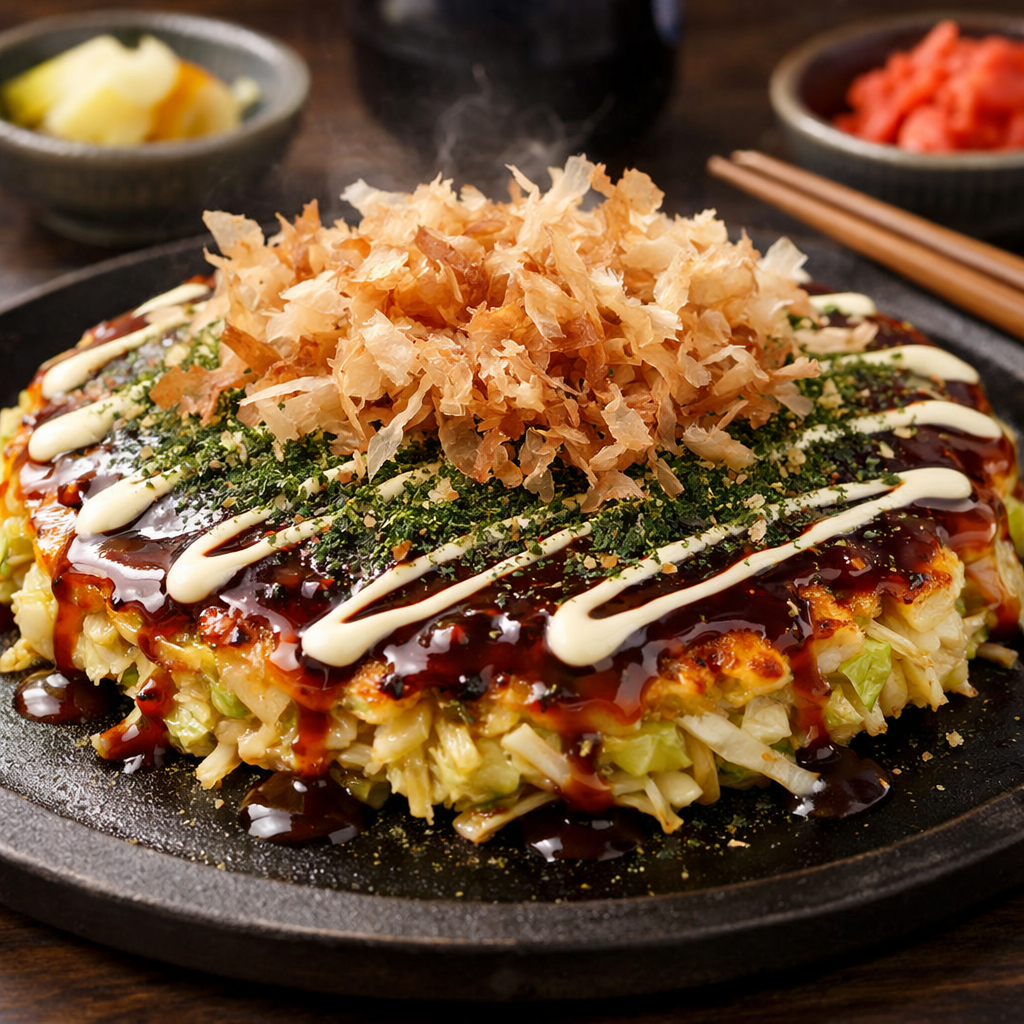
Okonomiyaki is one of Japan’s most beloved comfort foods, often described as a savory pancake that blends tradition, creativity, and regional pride. With roots tracing back to the 16th century in flour-based dishes like funoyaki, it has evolved through centuries of culinary experimentation into the customizable griddle-cooked meal we know today. From Osaka’s mixed batter style to Hiroshima’s layered version with noodles, okonomiyaki reflects the diversity of Japanese cuisine and the adaptability of local ingredients. Beyond Japan, it has spread internationally, gaining nicknames like “Japanese pizza” and “Osaka soul food” for its communal cooking style and endless topping possibilities. This blog explores 25 fascinating facts about okonomiyaki, highlighting its history, regional variations, cultural significance, and global appeal.
Fact number 1: Origins in Funoyaki
Okonomiyaki’s story begins with funoyaki, a thin crêpe-like dish mentioned in the 16th century by tea master Sen no Rikyū. While the exact recipe is unclear, historians believe it was made with wheat gluten and sometimes sweetened with miso or sugar. Funoyaki was simple yet versatile, and its concept of cooking flour-based batter on a griddle laid the foundation for later Japanese street foods. Over time, funoyaki evolved into other flour-based snacks like kintsuba and imagawayaki, but its influence remained strong, eventually inspiring the creation of okonomiyaki.
Fact number 2: Edo Period Development
During the late Edo period, funoyaki transformed into a more savory dish. It was baked on cooking pots and basted with miso on one side, creating a balance of salty and earthy flavors. This adaptation reflected the Japanese tendency to experiment with flour-based foods, especially as wheat became more accessible. The Edo era was a time of culinary creativity, and funoyaki’s evolution shows how Japanese cooks gradually moved toward the savory pancake style that would later define okonomiyaki.
Fact number 3: Meiji Era Monjiyaki
In the Meiji era, flour-based snacks became popular among children. One notable example was monjiyaki, where kids used batter to draw letters or pictures on iron griddles. This playful activity made food interactive and fun, while also introducing the idea of customizing batter-based dishes. Monjiyaki was thinner and runnier than okonomiyaki, but its emphasis on creativity and personalization directly influenced the “as you like it” philosophy behind okonomiyaki.
Fact number 4: Dondonyaki Street Food
Street vendors in the Meiji and Taishō periods sold dondonyaki, a flour-based snack cooked on portable griddles. Its name came from the drum sounds vendors used to attract customers. Dondonyaki was cheap, filling, and customizable, making it a favorite among working-class families. This street food culture helped normalize flour-based dishes as everyday meals, paving the way for okonomiyaki’s rise in popularity.
Fact number 5: First Use of “Okonomiyaki”
The term “okonomiyaki” first appeared in Osaka in the 1930s. It combined okonomi (“as you like”) and yaki (“grilled”), perfectly capturing the dish’s customizable nature. Osaka, known as Japan’s “kitchen,” was the ideal birthplace for this new food trend. The name emphasized flexibility, allowing diners to choose their preferred fillings, from pork belly to seafood, and cemented okonomiyaki’s identity as a democratic, people’s dish.
Fact number 6: Post-1923 Earthquake Popularity
After the Great Kantō earthquake in 1923, Tokyo residents turned to flour-based crêpes as a pastime and survival food. With infrastructure destroyed and rice scarce, flour became a practical alternative. Families gathered around griddles to cook simple batter dishes, which not only provided sustenance but also comfort during hardship. This period helped spread okonomiyaki-like foods beyond Osaka, embedding them into Japan’s broader culinary culture.
Fact number 7: Post-WWII Boom
Following World War II, rice shortages made okonomiyaki an essential dish. It was inexpensive, filling, and adaptable to whatever ingredients were available. Cabbage, flour, and scraps of meat or seafood could be combined into a hearty meal. Okonomiyaki became a symbol of resilience, feeding families during Japan’s recovery. Its affordability and versatility ensured its place as a staple of postwar Japanese cuisine.
Fact number 8: Kansai Style
The Kansai (Osaka) style is the most common form of okonomiyaki. Ingredients like flour, yam, dashi, eggs, and shredded cabbage are mixed together with pork, seafood, or cheese, then fried like a pancake. This style emphasizes balance and texture, with the cabbage providing crunch and the batter offering softness. Kansai okonomiyaki is often cooked at communal tables, reinforcing its role as a social food meant to be shared.
Fact number 9: Hiroshima Style
Hiroshima-style okonomiyaki differs by layering ingredients instead of mixing them. A thin batter is cooked first, followed by cabbage, pork, and noodles (yakisoba or udon). This version uses three to four times more cabbage than Kansai’s, making it lighter yet voluminous. The layering technique creates distinct textures, with crispy batter at the base and soft noodles on top. Hiroshima’s style reflects the city’s unique culinary identity and has become a point of pride for locals.
Fact number 10: Restaurant Density in Hiroshima
Hiroshima boasts over 2,000 okonomiyaki restaurants, the highest per capita in Japan. This density highlights the dish’s cultural significance in the region. Families, tourists, and students flock to these eateries, where chefs prepare okonomiyaki on large iron griddles. The abundance of restaurants has turned Hiroshima into a culinary destination, with okonomiyaki serving as both everyday comfort food and a tourist attraction.
Fact number 11: Modan-yaki Variation
Modan-yaki is a variation that incorporates fried noodles, either yakisoba or udon, into the batter. The name may derive from “modern” or “mori dakusan” (“piled high”), reflecting its hearty nature. Modan-yaki is especially popular among younger diners and those seeking a more filling meal. Its combination of pancake and noodles makes it a fusion of two beloved Japanese comfort foods.
Fact number 12: Negiyaki Variation
Negiyaki is a thinner, lighter version of okonomiyaki made primarily with scallions instead of cabbage. It resembles Korean pajeon or Chinese green onion pancakes, showing cross-cultural influences. Negiyaki is often seasoned with soy sauce rather than the sweeter okonomiyaki sauce, giving it a sharper flavor profile. This variation is popular in Kyoto and appeals to those who prefer a less heavy dish.
Fact number 13: Kashimin-yaki
In Kishiwada, Osaka, locals created kashimin-yaki, which substitutes chicken and tallow for pork belly. This regional twist reflects the adaptability of okonomiyaki to local ingredients and tastes. Kashimin-yaki is richer due to the tallow, offering a distinct flavor compared to the standard pork-based version.
Fact number 14: Hamamatsu’s Takuan Mix
Hamamatsu adds takuan (pickled daikon) to okonomiyaki, introducing a tangy crunch. This variation highlights how regional preferences shape the dish, with Hamamatsu’s love for pickled vegetables influencing its okonomiyaki style. The addition of takuan balances the richness of the batter with acidity and texture.
Fact number 15: Tokushima’s Sweet Beans
Tokushima Prefecture mixes stewed sweet kintoki-mame beans into okonomiyaki, blending savory and sweet flavors. This unusual combination reflects Tokushima’s culinary creativity and willingness to experiment. The beans add a unique texture and sweetness, making this version stand out among Japan’s many regional okonomiyaki styles.
Fact number 16: Issen Yōshoku
Before WWII, Hiroshima popularized issen yōshoku, a thin pancake topped with scallions and bonito flakes. It was inexpensive and widely accessible, often costing just one sen (a small coin). After the war, issen yōshoku evolved into Hiroshima-style okonomiyaki, showing how necessity and affordability shaped the dish’s development.
Fact number 17: Fuchūyaki
In Fuchū, Hiroshima, fuchūyaki replaces pork belly with ground meat. This variation reflects local preferences and economic considerations, as ground meat was more affordable and accessible. Fuchūyaki demonstrates how okonomiyaki adapts to regional resources while maintaining its core identity.
Fact number 18: Kaki-oko
Hinase, Okayama, created kaki-oko, an oyster-filled okonomiyaki. This version showcases the region’s seafood heritage, with oysters adding briny richness to the dish. Kaki-oko is especially popular during oyster season, highlighting the connection between okonomiyaki and local ingredients.
Fact number 19: Innoshima Okonomiyaki
On Innoshima Island, locals developed a version that includes udon noodles, bonito flakes, Worcestershire sauce, and vegetables fried with uncooked batter. This style reflects the island’s resourcefulness and preference for hearty, flavorful meals. Innoshima okonomiyaki is distinct for its bold seasoning and noodle base.
Fact number 20: Okonomi-mura Theme Park
Hiroshima’s Okonomi-mura is a food theme park dedicated entirely to okonomiyaki. It houses multiple stalls, each offering unique variations of the dish. In 2004, it was ranked Japan’s top family food destination, cementing okonomiyaki’s status as both a cultural icon and a tourist attraction.
Fact number 21: Otafuku Sauce
Otafuku is Hiroshima’s most famous okonomiyaki sauce brand, and its influence on the dish cannot be overstated. The thick, sweet-savory sauce is considered essential for finishing okonomiyaki, much like ketchup for fries or soy sauce for sushi. Otafuku has become so iconic that the company established an okonomiyaki museum and cooking studio, where visitors can learn the history of the dish, explore sauce-making processes, and even try their hand at cooking. This brand has elevated okonomiyaki from a local specialty to a cultural symbol, ensuring that the dish’s flavor profile remains consistent across Japan and abroad.
Fact number 22: Tokyo’s Monja Street
In Tokyo’s Tsukishima district, a street nicknamed “Monja Street” is famous for both okonomiyaki and its cousin dish, monjayaki. The area is lined with restaurants specializing in these flour-based griddle dishes, attracting locals and tourists alike. Monjayaki is runnier and gooier than okonomiyaki, but the two dishes share cultural roots. Tsukishima’s Monja Street has become a culinary landmark, showcasing how regional variations coexist and thrive within Japan’s food culture.
Fact number 23: Kyoto’s Betayaki
Kyoto offers its own take on okonomiyaki called betayaki. This version uses a thinner batter and layers cabbage, meat, egg, and noodles, creating a dish that is both hearty and distinct from Kansai or Hiroshima styles. Betayaki reflects Kyoto’s culinary tradition of subtlety and balance, with a lighter texture compared to Osaka’s thicker pancakes. It demonstrates how okonomiyaki adapts to local tastes while maintaining its core identity as a customizable griddle dish.
Fact number 24: International Spread
Okonomiyaki has spread beyond Japan, becoming popular street food in cities like Manila, Taipei, Bangkok, and Jakarta. Its appeal lies in its adaptability — chefs abroad often incorporate local ingredients, creating fusion versions that resonate with regional palates. For example, in Manila, okonomiyaki may feature longganisa sausage, while in Bangkok, it might include Thai herbs. This international spread highlights the dish’s versatility and its ability to serve as a cultural ambassador for Japanese cuisine.
Fact number 25: Cultural Nicknames
Okonomiyaki is often affectionately called “Japanese pizza” or “Osaka soul food.” The “pizza” nickname comes from its customizable toppings and communal cooking style, while “soul food” reflects its deep cultural roots in Osaka, where it is considered a symbol of local identity. These nicknames capture the essence of okonomiyaki as both a comfort food and a cultural icon, bridging the gap between traditional Japanese cuisine and modern global food culture.
❓ Frequently Asked Questions About Okonomiyaki
The name comes from two Japanese words: okonomi (“as you like”) and yaki (“grilled”). True to its name, okonomiyaki is endlessly customizable, allowing diners to choose fillings like pork belly, shrimp, squid, cheese, or even mochi. It’s often compared to pizza because of its flexibility, but unlike pizza, it’s cooked on a flat iron griddle and topped with savory sauces, mayonnaise, bonito flakes, and seaweed.
There are two dominant regional styles:
Osaka (Kansai) style: Ingredients are mixed directly into the batter, producing a soft, uniform pancake.
Hiroshima style: Ingredients are layered, starting with a thin batter base, then cabbage, pork, and noodles, often topped with a fried egg. This version uses more cabbage and emphasizes texture differences.
The base batter typically includes wheat flour, dashi or water, eggs, and shredded cabbage. Popular add-ins are pork belly, shrimp, squid, octopus, beef, or oysters. Vegetables like green onions, bean sprouts, and mushrooms are common, while extras like cheese, mochi, kimchi, or tempura bits (tenkasu) add unique textures. Toppings almost always include okonomiyaki sauce, Japanese mayonnaise, aonori (seaweed flakes), and katsuobushi (bonito flakes).
Okonomiyaki can be relatively healthy because it’s cabbage-heavy, providing fiber and vitamins. However, calorie content rises when loaded with pork belly, cheese, or noodles. Hiroshima-style, with its extra cabbage, is lighter compared to Osaka’s richer version. Health-conscious diners often opt for seafood-based fillings or vegetarian versions. Gluten-free and vegan adaptations are also available, using rice flour or plant-based proteins.
Okonomiyaki is available nationwide, but the best experiences are in:
Osaka: Known as the “kitchen of Japan,” with countless okonomiyaki houses.
Hiroshima: Famous for its layered style, with over 2,000 restaurants dedicated to the dish.
Tokyo (Tsukishima’s Monja Street): Offers both okonomiyaki and monjayaki, a gooier cousin dish. Many restaurants feature teppan-style tables where customers cook their own okonomiyaki, making it a social dining experience.
Monjayaki is a Tokyo variation with a runnier batter, cooked into a softer, gooier consistency compared to okonomiyaki’s firm pancake. Diners often eat it directly off the griddle with small spatulas. While both dishes share flour-based roots, monjayaki emphasizes texture and playfulness, whereas okonomiyaki focuses on hearty, layered flavors.
Yes. Vegetarian versions replace pork or seafood with mushrooms, corn, or tofu, while vegan adaptations use rice flour or chickpea flour for the batter and plant-based mayonnaise. These versions are increasingly popular in Japan and abroad, catering to diverse dietary needs.
⚡ Key Takeaways
- Osaka vs Hiroshima styles are the most famous, with Osaka mixing and Hiroshima layering.
- Customizable fillings make okonomiyaki adaptable to any diet, including vegetarian and vegan.
- Cultural experience: Many restaurants let diners cook their own okonomiyaki at teppan tables.
- Global spread: Okonomiyaki is now found in Japanese restaurants worldwide, often nicknamed “Japanese pizza.”