Vikings
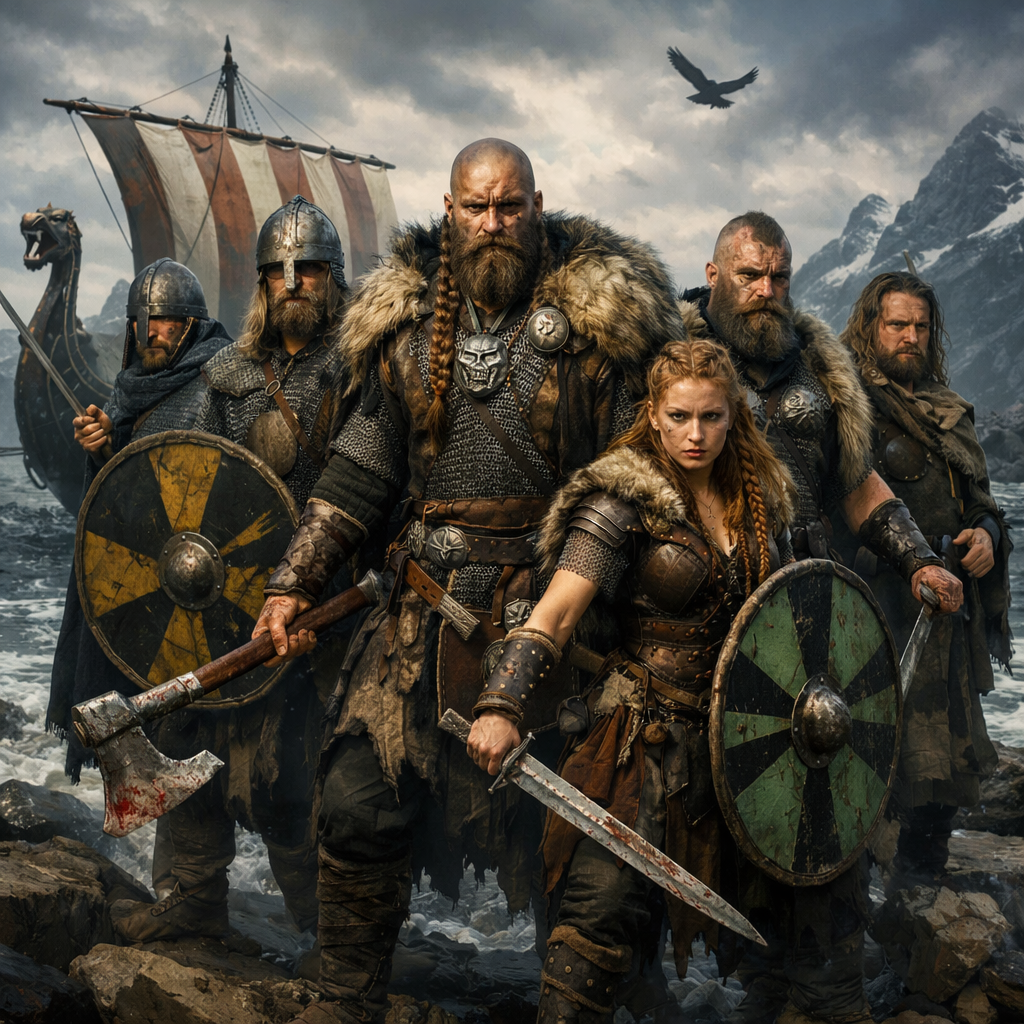
The Vikings have long captured the imagination of historians, storytellers, and popular culture, often portrayed as fierce raiders with horned helmets storming across medieval Europe. Yet the reality of Viking life was far more complex and fascinating. From their origins in Scandinavia to their far-reaching voyages that touched North America, Byzantium, and the Middle East, the Vikings were explorers, traders, settlers, and cultural influencers who left an enduring mark on history. Their legacy includes groundbreaking shipbuilding technology, rich mythology, contributions to language, and the founding of entire states like Kievan Rus. In this article, we’ll dive into 25 intriguing facts that reveal the true depth of Viking society—dispelling myths, highlighting achievements, and uncovering the lasting impact of these remarkable seafarers.
1. The Viking Age (793–1066)
The Viking Age is traditionally marked from 793 CE, when Norse raiders attacked the monastery at Lindisfarne in England, to 1066 CE, when the Battle of Stamford Bridge effectively ended large-scale Viking incursions. This period represents over two and a half centuries of Scandinavian expansion, exploration, and cultural influence across Europe and beyond. During this time, Vikings were not only feared raiders but also traders, settlers, and explorers who reshaped medieval geopolitics. The beginning and end dates are symbolic: Lindisfarne shocked Christian Europe with its brutality, while Stamford Bridge showed that Viking military dominance had waned as centralized kingdoms like England grew stronger.
2. Scandinavian Origins
The Vikings originated from the Scandinavian regions of modern-day Denmark, Norway, and Sweden. These lands were characterized by rugged terrain, fjords, and limited arable land, which encouraged seafaring and expansion. The harsh climate and geography made farming difficult, pushing communities to seek wealth and resources abroad. Their homelands provided the cultural foundation of Norse society, including language, religion, and social structures, which they carried with them as they expanded into Europe, Asia, and even North America.
3. Old Norse Language and Runes
Vikings spoke Old Norse, a North Germanic language that is the ancestor of modern Scandinavian tongues. They used runic alphabets, particularly the Younger Futhark, for inscriptions on stones, wood, and metal. These runes were not just practical writing tools but also carried mystical and religious significance. Runestones erected across Scandinavia and Viking settlements commemorate battles, voyages, and family lineages, offering historians invaluable insights into Viking society.
4. More Than Raiders
Contrary to popular stereotypes, most Vikings were not full-time raiders. The majority were farmers, fishermen, and craftsmen who lived in small communities. Raiding was often seasonal, undertaken by groups seeking wealth or land. Daily Viking life revolved around agriculture, animal husbandry, and trade. This balance between domestic life and adventurous expeditions highlights the dual nature of Viking society—rooted in subsistence but driven by opportunity.
5. Longships
The Viking longship was a technological marvel of its time. Sleek, flexible, and shallow-drafted, these vessels could navigate both open seas and inland rivers. Their speed and maneuverability allowed Vikings to strike quickly and retreat before organized resistance could form. Longships symbolized Viking identity, enabling exploration from North America to the Caspian Sea. They were also cultural icons, often buried with chieftains as symbols of status and passage to the afterlife.
6. Lindisfarne Raid (793)
The raid on Lindisfarne monastery in 793 CE shocked Christian Europe. Monks were killed, treasures looted, and the sanctity of a holy site violated. Chroniclers described the event as apocalyptic, associating it with divine punishment. This raid marked the beginning of the Viking Age in historical memory, cementing the image of Vikings as ruthless pagans. Yet it also demonstrated their tactical brilliance—striking wealthy, undefended targets with precision.
7. Reaching North America
Around the year 1000, Vikings reached North America, establishing a short-lived settlement at Vinland, believed to be in Newfoundland, Canada. This makes them the first known Europeans to set foot in the Americas, centuries before Columbus. Archaeological evidence at L’Anse aux Meadows supports these accounts. Although the settlement was abandoned, the voyages highlight Viking daring and navigational skill, pushing the boundaries of the known world.
8. Leif Erikson
Leif Erikson, son of Erik the Red, is credited with leading expeditions to Vinland. His journey represents the pinnacle of Viking exploration, extending their reach across the Atlantic. Leif’s legacy endures in both Norse sagas and modern commemorations, particularly in North America, where he is celebrated as a symbol of early transatlantic contact. His voyages underscore the Vikings’ role as explorers, not just raiders.
9. Settlements in Iceland, Greenland, Normandy
Vikings established lasting settlements in Iceland and Greenland, with Iceland becoming a hub of Norse culture and literature. Greenland’s colonies survived for centuries despite harsh conditions. In France, Viking leader Rollo secured land in Normandy, which became a powerful duchy. These settlements illustrate Viking adaptability, integrating into local societies while preserving their identity.
10. Founding of Kievan Rus
Vikings, known as Varangians in Eastern Europe, founded Kievan Rus, a federation of Slavic and Norse peoples. This polity became the precursor to modern Russia, Ukraine, and Belarus. Viking rulers like Rurik established dynasties that blended Norse and Slavic traditions. Their influence shaped Eastern European politics, trade, and culture, linking Scandinavia to Byzantium and the Islamic world.
11. Varangian Guard
Many Vikings served as mercenaries in the Byzantine Empire’s elite Varangian Guard. Renowned for their loyalty and ferocity, they protected emperors and fought in campaigns across the empire. Their presence in Constantinople highlights Viking integration into global networks, serving as both warriors and cultural ambassadors.
12. Raids in England, Ireland, France
Viking raids devastated monasteries, towns, and cities across England, Ireland, and France. They exploited weak political structures, extracting tribute and establishing settlements. In England, the Danelaw region reflected Viking control, while in Ireland, Dublin became a Viking-founded city. These raids reshaped medieval geopolitics, forcing rulers to adapt militarily and politically.
13. Trade Networks
Vikings were skilled traders, connecting Scandinavia to Europe, the Middle East, and North Africa. They exchanged furs, amber, and slaves for silver, silk, and spices. Their trade routes extended along rivers like the Volga and Dnieper, linking them to Byzantium and the Abbasid Caliphate. This commercial activity enriched Viking society and integrated them into global economies.
14. Social Structure
Viking society was stratified into jarls (nobles), karls (freemen), and thralls (slaves). Jarls held political and military power, while karls formed the backbone of society as farmers and craftsmen. Thralls, often captured in raids, performed labor and could be traded. This hierarchy reflects both the pragmatism and inequalities of Viking life.
15. Slavery
Slavery was integral to Viking economy and culture. Thralls were captured during raids and sold across Europe and the Middle East. They worked in households, farms, and workshops. While some could earn freedom, most lived harsh lives. The decline of slavery coincided with Christianization, which discouraged the practice.
16. Old Norse Religion
Before converting to Christianity, Vikings practiced Old Norse religion, worshipping gods like Odin, Thor, and Freyja. Rituals included sacrifices and festivals, often tied to agricultural cycles. Their mythology, preserved in sagas and the Poetic Edda, reflects a worldview centered on fate, honor, and the inevitability of Ragnarök (the end of the world).
17. Norse Mythology
Norse mythology is rich with gods, giants, and heroes. Odin was the all-father, Thor the protector, and Freyja the goddess of fertility. These myths shaped Viking identity, inspiring warriors and poets. They also influenced modern culture, from literature to film, demonstrating their enduring appeal.
18. Horned Helmet Myth
The image of Vikings wearing horned helmets is a modern invention, popularized in 19th-century opera and art. Archaeological evidence shows they wore simple, practical helmets. The myth persists because it visually distinguishes Vikings, but it misrepresents their reality.
19. Status of Women
Viking women enjoyed relatively high status compared to other medieval societies. They could inherit property, manage households, and divorce husbands. Some even participated in trade and exploration. This autonomy reflects the pragmatic nature of Viking society, where survival required shared responsibilities.
20. Old Norse Words in English
Many English words derive from Old Norse, including “sky,” “egg,” and “window.” Viking influence on language reflects their integration into English society, particularly in regions under the Danelaw. These linguistic contributions endure as everyday reminders of Viking presence.
21. Place Names
Viking settlers left their mark on place names across England and beyond. Towns like York, Grimsby, and Whitby reflect Norse origins. These names preserve Viking heritage, embedding their legacy into geography.
22. Sagas and Poetry
Icelandic sagas and skaldic poetry preserve Viking history, mythology, and values. These literary works blend fact and fiction, offering insights into Viking worldview. They remain cultural treasures, studied for their artistry and historical significance.
23. Runestones
Runestones commemorated individuals, events, and achievements. Found across Scandinavia and Viking settlements, they serve as historical records. Their inscriptions reveal social structures, religious beliefs, and personal identities.
24. Decline of Raids
Viking raids declined as Christianity spread and centralized kingdoms grew stronger. The conversion of Scandinavia reduced incentives for raiding, particularly the slave trade. By the 11th century, Vikings transitioned into medieval monarchies, ending the era of large-scale raids.
25. Transition to Medieval States
By the 11th century, the Viking Age gave way to the emergence of consolidated medieval kingdoms in Scandinavia—Denmark, Norway, and Sweden. This transformation was driven by several factors: the spread of Christianity, which unified communities under a common faith; the decline of raiding as centralized European powers grew stronger; and the increasing importance of stable governance and trade. Kings like Harald Bluetooth in Denmark and Olaf Tryggvason in Norway played pivotal roles in Christianizing their realms, while Sweden gradually integrated into the broader European political landscape. These new monarchies shifted focus from raiding to diplomacy, commerce, and territorial consolidation, laying the foundations for the modern Scandinavian states. The transition marked the end of the Viking Age but ensured that Norse influence endured in language, culture, and political structures across Europe.
❓ Frequently Asked Questions About Vikings
1. Who were the Vikings?
The Vikings were seafaring people from Scandinavia (modern Denmark, Norway, and Sweden) active between the late 8th and 11th centuries. They are best known for their raids across Europe, but they were also farmers, traders, and explorers. Their influence stretched from North America (Vinland) to Byzantium and the Middle East, shaping medieval politics and culture.
2. Did Vikings really wear horned helmets?
No. The popular image of Vikings with horned helmets is a 19th‑century myth, popularized by opera costumes and romantic art. Archaeological evidence shows they wore practical, conical helmets made of iron or leather. Horns would have been impractical in battle.
3. What language did Vikings speak?
They spoke Old Norse, a North Germanic language that is the ancestor of modern Scandinavian languages. Many English words today—such as sky, egg, and window—come from Old Norse, reflecting Viking influence in England.
4. Were Vikings only raiders?
No. While raiding was a major activity, most Vikings were farmers, fishermen, and craftsmen. They also established trade networks across Europe, the Middle East, and North Africa, exchanging goods like furs, amber, and slaves for silver, silk, and spices.
5. Did Vikings reach North America?
Yes. Around the year 1000, Leif Erikson led expeditions to Vinland, believed to be Newfoundland in Canada. Archaeological evidence at L’Anse aux Meadows confirms Viking presence, making them the first known Europeans to reach the Americas centuries before Columbus.
6. What religion did Vikings follow?
Initially, Vikings practiced Old Norse paganism, worshipping gods like Odin, Thor, and Freyja. Their mythology emphasized fate, honor, and Ragnarök (the end of the world). By the 10th and 11th centuries, Christianity spread through Scandinavia, gradually replacing pagan beliefs.
7. What was Viking society like?
Viking society was hierarchical: jarls (nobles) held power, karls (freemen) were farmers and craftsmen, and thralls (slaves) performed labor. Women had relatively high status compared to other medieval societies, with rights to inherit property and divorce.
8. What were Viking ships like?
The Viking longship was a technological marvel—light, fast, and shallow‑drafted, allowing navigation in both open seas and rivers. These ships enabled rapid raids, exploration, and settlement across vast distances, from England to Russia and North America.
9. What ended the Viking Age?
The Viking Age ended around 1066, after the Battle of Stamford Bridge in England. Factors included the spread of Christianity, the rise of strong centralized kingdoms in Europe, and the consolidation of Scandinavia into medieval states (Denmark, Norway, Sweden).
10. What is the Vikings’ legacy today?
The Vikings left a lasting impact on language, place names, and culture. English vocabulary contains hundreds of Norse words, towns across England and France bear Viking names, and Icelandic sagas preserve their stories. Their influence also shaped medieval states like Normandy and Kievan Rus.